Dubai Diary: My 5-day Deep Dive Into Dubai’s Real Estate Market

In preparation for the Dubai Real Estate Investment Expo 2025 that I am holding in Mississauga on 7 and 8 June, I decided to visit Dubai and get a first-hand feel and deep understanding of the real estate market in the UAE. Here’s what I saw.

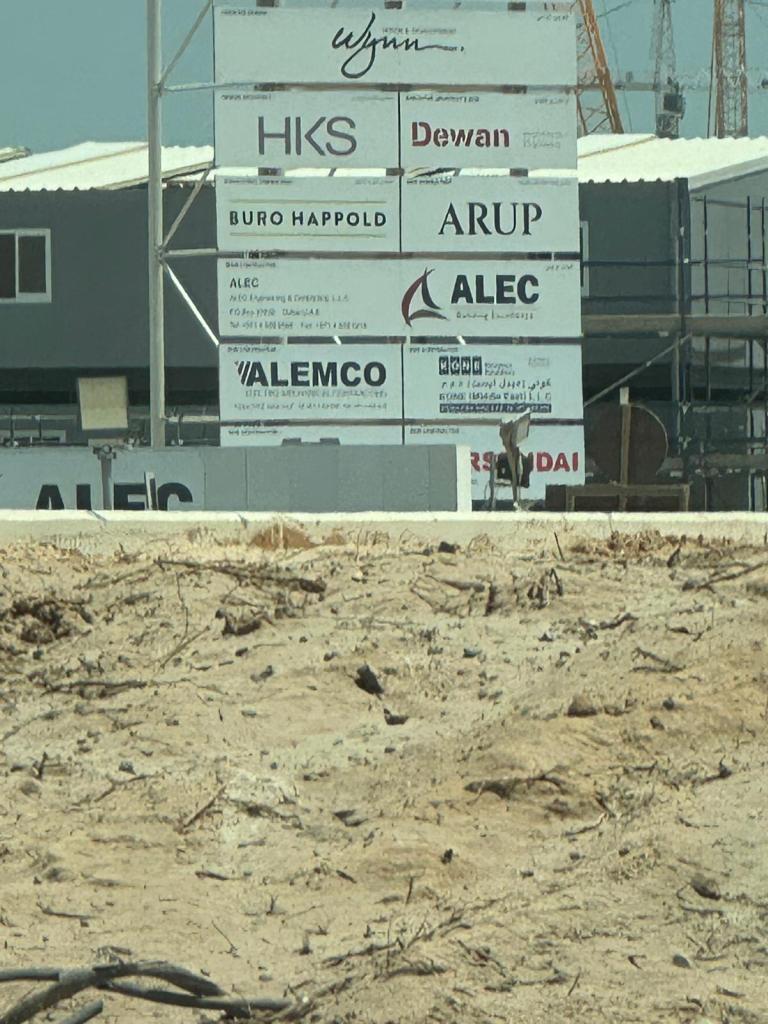
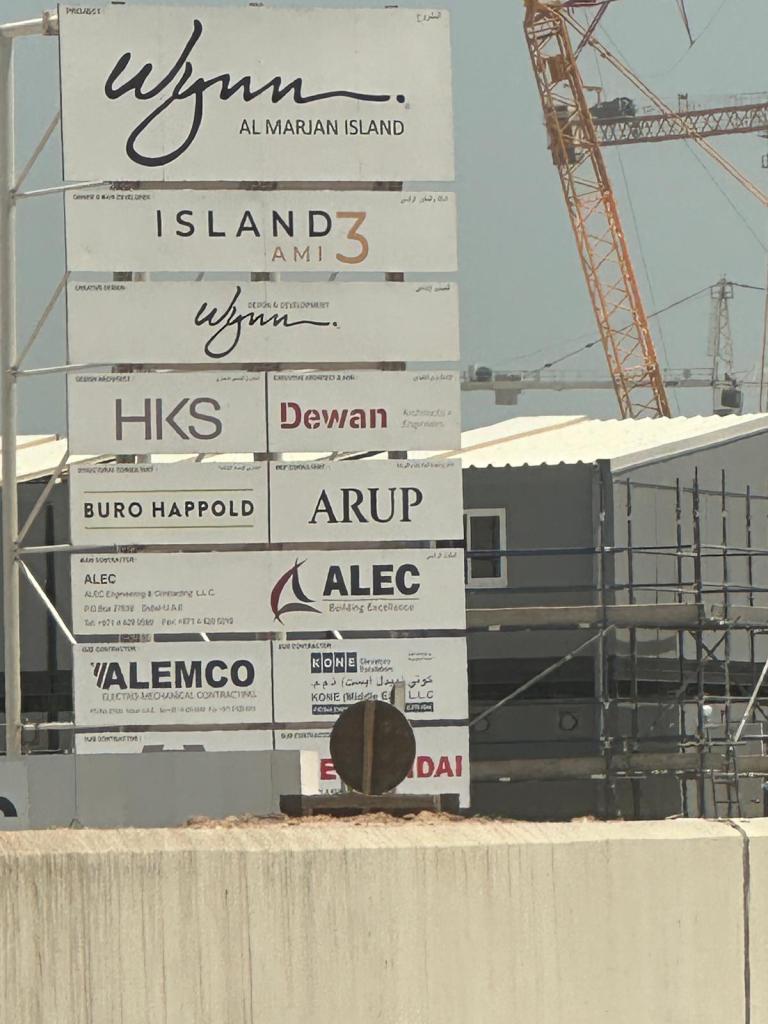
First I visited Ras-Al Khayma. This emirate has recently been in the news with investors flocking there in large numbers due to the upcoming casino, the Wynn Al Marjan Island Resort. This casino will be the first casino in the UAE and is scheduled to open in 2027. This will be built on the fourth of four islands. Here’s a map to illustrate:


As can be seen in the map, the amount of construction that is happening here is insane, and there is no doubt that the return on investment in the UAE will be highest on any purchases here. Here are some pictures I took illustrating the sheer pace of construction on these islands:


I also personally visited several of these developers to see how their products compare. Here’s some photos from my visits to their offer:


As I make it a point to visit the Gurudwara at-least ever Sunday in Canada, I decided on the Sunday of my visit to make a trip to the local Gurudwara in Dubai. What I ended up discovering is another one of the things that makes the UAE such a great destination. I arrived to find the Gurudwara, Hindu Temple Dubai, St. Mina Church, Christ Church Jebel Ali, St. Francis of Assisi Catholic Church, Dubai Mar Thoma Parish and the Dubai Evangelical Church Centre, all in the same location.

Here’s some photos from my visit to the Guru Nanak Darbar Gurudwara:


It was also interesting to find out that there is an even bigger Gurudwara in Ras-Al Khayma.

Next, I visited Abu Dhabi, to get a feel and understanding of the real estate market in this Emirate as well. I learned that Abu Dhabi’s real estate market is also experiencing a significant upswing, fueled by strong demand for ready-to-move-in homes, rising rental yields and a surge in foreign direct investment, especially in prime areas such as Saadiyat Island and Yas Island.

Obviously no trip to Dubai would be complete without going to the top of the Burj Khalifa (154th floor), which is the tallest building in the world:

Me at the 154th floor of the Burj Khalifa (at the top).

Lastly, during my visit, I had the privilege to be invited to attend the exclusive launch for the Chelsea Residences by DAMAC, which is another one of the top developers in the UAE. Here’s some photos from the launch:


The launch was probably one of the grandest launches I have ever seen, giving me much needed insight into the bustling real estate market in the UAE, and why this is a destination people are flocking to in large numbers in today’s day and age.

Now, as a seasoned and experienced Realtor, another very important thing I wanted to be sure about was the legal process. What I found was that it is much better than what we have in Canada, with disputes being limited and judgments being fair and extremely quick. Further, the legal process for purchasing properties is very easy to understand. Here’s a flow-chart to illustrate this process:

Given all of this, I am hosting the Dubai Real Estate Investment Expo in Mississauga on June 7 and 8, 2025. It is free to attend, and refreshments will be served. Advanced registration is required. You may sign-up here: https://www.eventbrite.com/e/dubai-real-estate-investment-expo-2025-tickets-1361566705669?aff=oddtdtcreator

As a seasoned real estate professional with over two decades of experience in the industry, I have witnessed first-hand the challenges of Canada’s housing market and regularly stay abreast with the latest policy changes and market trends. With my in-depth understanding of local conditions, I can help you make informed decisions that align with your long-term financial goals. Don’t navigate this complex market alone – reach out to me for personalized advice on how to make the most of your real estate investments in this evolving landscape.

Disclaimer: This post is for informational purposes only and should not be construed as legal or financial advice. For specific advice tailored to your situation, please consult a qualified professional in your jurisdiction. The information presented does not imply endorsement or affiliation with any specific resource mentioned.


what the federal costed party platforms really mean for Canada’s housing market

This week was ripe with news from all three major political parties releasing their costed platforms for what is the 45th general election here in Canada. Alongside all of the other problems that our great nation faces, the housing affordability crisis still remains a very big issue, which begs the question, how will the promises in the costed platforms impact Canada’s housing market?

First, let’s look at the New Democratic Party of Canada’s Costed platform, which was the first to be released on April 19th. The NDP has promised a lot of measures for housing affordability and tenant protections. They are promising to fund $28 billion in housing investments including $16 billion for the Canadian Homes Transfer and Communities First Fund as well as $2 billion to expand the Rental Protection Fund for non-profits to acquire affordable rentals. They are also proposing to intervene in the market to help create 3 million new homes by 2030 as well as National rent control tied to federal funding for provinces/municipalities. The last major aspect about their platform is that they are proposing a ban on corporate landlords.

The Liberals were second to release their costed platform. This party is promising to allocate $36.8 billion over four years to housing affordability as well as $10 billion for long-term fixed-rate financing. They are also promising to double annual construction to approximately 500,000 homes and to build 4 million new homes by 2035. Additionally, they are proposing a GST exemption for first-time buyers as well as tax relief for landlords alongside a 1% tax cut for the lowest bracket. This platform contrasts the NDP platform by emphasizing market-driven solutions and tax policy over direct affordability interventions like rent controls.

Lastly, today the Conservative Party of Canada finally released their costed platform, making them the last to do so. This party promises to build 2.3 million homes in five years, selling off 15% of federal properties for affordable housing, eliminating GST on new homes priced under $1.3 million to reduce costs for buyers and to reimburse municipalities 50% of development charge cuts to lower upfront costs. They are also promising to cut CMHC approval timelines to 60 days and to simplify the national building code.

In my view, the Liberal plan is the best, as it properly blends direct government investment with market incentives, ensuring both immediate and long-term supply increases. Further, unlike the other two parties, I am of the belief that the Liberals directly address both supply and demand, which would serve to help both buyers and renters while still encouraging new builds and housing starts. Further, this plan is practical in scope, as it works with provinces and municipalities through funding incentives rather than imposing strict mandates, making implementation more likely.

As a seasoned real estate professional with over two decades of experience in the industry, I have witnessed first-hand the challenges of Canada’s housing market and regularly stay abreast with the latest policy changes and market trends. With my in-depth understanding of local conditions, I can help you make informed decisions that align with your long-term financial goals. Don’t navigate this complex market alone – reach out to me for personalized advice on how to make the most of your real estate investments in this evolving landscape.

the secret investment strategy Canadians are using to make millions in Dubai’s real estate market, and how you can join them — free insider guide (EBOOK)

the secret investment strategy Canadians are using to make millions in Dubai’s real estate market, and how you can join them — free insider guide (EBOOK)

There has recently been a lot of buzz about moving to Dubai by a lot of Canadians looking for lucrative returns, tax-free income and a secure investment environment. Even I have faced similar questions, and as Canada’s real estate market continues to be a challenging environment, Dubai does definitely offer a compelling alternative for investors seeking high returns and long-term growth, and even looking to move there.

This sparked curiosity in me, and after months of research, I’ve written an entire E-book on my findings, which I am giving out for free!!!

Some of the key findings are that Dubai’s real estate market is a better alternative due to financial incentives and lifestyle benefits. The launch of the 10-year Golden Visa program provided a significant boost to foreign investment, under which investors purchasing property worth AED 2 million or more are eligible for a 10-year renewable residence permit. Dubai offers a better average rental yield of 8-10% and there is no property or capital gains tax, lower entry price and booming demand. This makes this an unparalleled opportunity for Canadian investors to grow their wealth while enjoying various tax benefits.

The real estate marketplace is really competitive and always continuously evolving. Thus, the decision to buy or sell real estate should always take into careful consideration all such factors. In this vein, it is crucial to carefully evaluate your financial situation, long-term goals and local market conditions before making a decision.

As a real estate professional with over 20+ years of experience in the industry, I have first-hand witnessed the housing affordability crisis and worked with both buyers and sellers in this market in my every-day practice. If you need expert guidance for your buying and selling needs, please don’t hesitate to reach out to me.

Please fill out the form below to REQUEST A FREE COPY OF THE EBOOK:

← Back

Thank you for your response. ✨

*⁠This E-Book and contents of the blog post are intended for information purposes only. Laws and regulations are constantly changing and it is the responsibility of the reader to make sure that the information is accurate before taking any action. This E-Book does not constitute any legal, professional or financial advice and the authors, publishers and distributors are not liable for any actions taken based on the information provided herein. Readers are advised to consult with qualified legal financial and immigration professionals before making any investments or relocation decisions.

the interest rate drop you’ve been waiting for is here – but will you regret not acting fast?

the interest rate drop you’ve been waiting for is here – but will you regret not acting fast?

The real estate market is in a unique sweet spot right now where buyers can secure great deals without the bidding wars of the past, and sellers benefit from renewed demand and a quicker sale.

The Bank of Canada cut the interest rate today by 25 basis points to 2.75 percent, making this both the best time to buy, and to sell your property. For months, buyers and sellers alike have been hesitant given the economic situation, however, the landscape has completely changed now, making this a situation unlike any other, and this window of opportunity will likely not last very long.

Why it’s the best time to sell?

Sellers, don’t make the mistake of thinking a lower interest rate only benefits buyers, the reality is that it works in your favour too! Firstly, more buyers are ready to purchase right now than in the past couple of months. This means that buyers who were holding back are now finally serious and ready to make offers. More demand = better chances of selling quickly. Secondly, there is a lot less competition, which means more attention to your listing. Inventory is still relatively low right now and a well-priced property would stand out and sell really fast in this market. Lastly, a slower market with high demand from buyers means that you’ll likely see stronger, more competitive offers. These conditions likely won’t last very long, meaning that you have to act fast if you want to avail of these benefits.

Why it’s the best time to buy?

The market right now is no doubt a buyer’s dream compared to the past few years. There’s no more overpaying, with the days of the wild bidding wars and homes being sold way over asking being largely absent. A further drop in interest rates in the coming months would work against this situation, making now the sweet spot. Further, sellers are pricing their homes more reasonably, meaning you’ll get true market value right now. Lower interest rates also means lower monthly payments with the most recent announcement by the Bank of Canada to lower interest rates. Thus, this is the time to get in before the prices rise again. Waiting could mean paying more for the property later!

If you’ve been waiting on the sidelines, this is your sign to start house hunting!

The real estate marketplace is really competitive and always continuously evolving. Thus, the decision to buy or sell real estate should always take into careful consideration all such factors. In this vein, it is crucial to carefully evaluate your financial situation, long-term goals and local market conditions before making a decision.

As a real estate professional with over 20+ years of experience in the industry, I have first-hand witnessed the housing affordability crisis and worked with both buyers and sellers in this market in my every-day practice. If you need expert guidance for your buying and selling needs, please don’t hesitate to reach out to me.

Toronto pre-construction condo market plummets, leaving buyers in limbo

Toronto pre-construction condo market plummets, leaving buyers in limbo

Latest statistics are pointing to the once-thriving pre-construction condo market in Toronto and the GTA (Greater Toronto Area) having hit a historic law, sending shockwaves through the real estate industry and leaving many buyers in a precarious position. What I am seeing in my every-day practice is that this downturn has created a perfect storm of challenges for those who invested in what was previously considered a sure bet.

The data shows that sales for the new condominium market have plummeted to levels not seen in decades with new condo sales having totaled just 4,590 units in 2024, marking a 64% drop from 2023 and an overall 78% decline compared to the 10-year average. This comes out to be the slowest year for new condo sales since 1996, highlighting the severity of the market’s contraction.

In my practice, I am seeing developers having either delayed or cancelled projects due to sluggish demand. This, coupled with soaring construction costs and financing challenges have left the pre-construction buyers in a precarious situation. Further, the interest rates are still quite high, which is dampening demand. Further, I am seeing weak investor demand. Prior to the pandemic, investors typically made up a large portion of pre-construction buyers who seem to be pulling back due to concerns over capital appreciation and rental market uncertainty. Lastly, I feel pre-construction buyers were largely banking on the rapid appreciation in property values, but with resale condo prices now stagnating or declining, they are being forced to reconsider their options.

The future of Toronto’s pre-construction market remains uncertain. If interest rates continue to decline in 2025, demand for condos may recover, however a full rebound would certainly require improved affordability, better investor sentiment and grater stability in construction costs.

For prospective buyers, this situation underscores the importance of due diligence before committing to a pre-construction purchase. As the market continues to evolve, it is essential to carefully evaluate financial stability, contractual obligations, and project viability before making a decision.

As a real estate professional with over 20 years of experience, I have firsthand witnessed market cycles and the challenges facing buyers and sellers alike. If you need expert guidance on navigating the complexities of Toronto’s real estate market, don’t hesitate to reach out. Whether you’re considering a pre-construction investment or looking for alternative housing options, I can help you make informed decisions in today’s dynamic market.

latest data shows 19.2% surge in Canadian home sales

latest data shows 19.2% surge in Canadian home sales

2025 looks set to be a better year for the Canadian housing market, with recent data from the Canadian Real Estate Association (CREA) showing the number of homes sold in December rose 19.2% compared to the same period last year. Despite the challenging economic climate that we are in right now, the latest figures signal renewed activity in the market.

I anticipate there are mostly three reasons for these impressive sales figures. The first is that it could be said to just be a seasonal trend. While it was usually the case in the early 2000’s that the most sales activity was in the summer months, I have seen efforts to improve this through the long period of my practice and see these cumulative effects as something that would have led to this unusually strong performance during the holiday season.

Another reason is the pent-up demand, as I first-hand noticed how many prospective buyers were delaying their purchases during periods of high rates and economic uncertainty. With rates finally stabilizing, a lot of these buyers are finally entering the market. Lastly, the declining mortgage rates are another factor that can be directly attributed to this trend.

Taking these factors into perspective, it can be speculated that while there is a potential for a rebound in 2025, the growth would no doubt require coordinate efforts on all parts of government to address supply constraints and affordability challenges.

The Real Estate Market is constantly changing, and in the kind of turbulent environment we are in right now making informed decisions is more crucial than ever. If you’re considering buying, selling or anything in between, it’s essential to look at a number of factors including (but not limited to) your financial situation, long-term goals, and local market conditions. With over 20 years of experience in the industry, I can help you navigate these complexities with ease. Reach out to me for expert guidance tailored to your needs.

tumultuous week for housing market amid economic and policy shifts

tumultuous week for housing market amid economic and policy shifts

This past week we saw a whirlwind of developments in Ontario, from rising mortgage rates, employment challenges, government rate cuts, and debates around immigration’s impact on GDP. This reflects the complexities of the rapidly changing economic and policy landscape and also highlights both the vulnerabilities and potential shifts in Canada’s housing and economic framework.

The first big news was the supersized rate cut by the Bank of Canada. This unexpected cut was largely driven by fears of an economic slowdows as GDP figures had come in significantly below expectations. Further, news came in about mortgage rates rising due to a surge in government bond yields. The effect of this is that it would tighten affordability for potential homeowners. This is because mortgage rates are intrinsically tied to bond yields, and the sharp rise in the latter has pushed mortgage rates higher, limiting credit access and increasing borrowing costs. This development spells trouble for variable-rate mortgage holders, who are already grappling with financial strain due to persistent rate hikes over the past year.

Further adding to the economic uncertainty was the fact that Toronto’s job market is very bad. Data shows 380,000 individuals are unemployed in the city. The weak Canadian dollar further adds to the economic uncertainty, reducing purchasing power and making imports more expensive, which indirectly would affect construction materials and costs for developers.


To address Ontario’s housing and economic challenges, policymakers must focus on increasing housing supply, boosting productivity, and expanding infrastructure investment. Streamlining approval processes, revising zoning laws, and incentivizing affordable housing projects can accelerate construction and alleviate the supply-demand imbalance. Simultaneously, investments in education, innovation, and public infrastructure can create higher-paying jobs, improve per capita GDP, and support a growing population sustainably.


The high unemployment rate also poses significant challenges for the housing market. Reduced incomes limit people’s ability to afford homes or rentals, while high unemployment correlates with increased financial instability for homeowners and renters. This can lead to higher delinquency rates and a rise in distressed property sales, further destabilizing the market.

Last week’s events underscore the delicate balance Ontario and Canada must maintain to navigate their housing and economic challenges. Rising mortgage rates, housing supply shortages, and employment issues converge to create a complex web of challenges that require a multifaceted policy approach. By addressing these issues head-on, Ontario can move toward a more stable, equitable, and sustainable future for its residents.

As these reports and data show, the real estate marketplace is continuously evolving. Thus, decisions to buy or sell real estate should take into careful consideration all such factors. Evaluating your financial situation, long-term goals, and local market conditions is essential before making a decision.

As a real estate professional with over 20 years of experience, I have first-hand witnessed the housing affordability crisis and worked with both buyers and sellers in this challenging market. If you need expert guidance for your buying and selling needs, please don’t hesitate to reach out. Together, we can develop strategies that align with your objectives and help you navigate the evolving landscape of Ontario’s housing market.

Ontario falling severely behind in addressing housing needs as per new study

Ontario falling severely behind in addressing housing needs as per new study

A new report from the PLACE Centre at the University of Ottawa’s Smart Prosperity Institute has shed light on the significant disparities in housing construction across Canada’s 100 largest cities and towns, with Ontario shown to be severely underperforming. The study analyzed housing starts from 1 July 2018 to 30 June 2024, offering crucial insights into the ongoing housing crisis through the relatively large and extremely relevant dataset.

While the report looked at cities across Canada, showing smaller cities as frontrunners in housing development, the data revealed certain key things for Ontario. The first of these is that it shows Ontario communities lagging behind in homebuilding compared to other provinces. Windsor, Ontario for example, ranked 88th out of the 100 cities studied, having constructed only 15.2 homes per 100 people over the entire six year period. Further, despite being the most populous province and home to the largest city, Ontario ranked 8th nationally with just 28.6 units per 100 persons.

This underperformance suggests various systemic issues in Ontario’s approach to housing development and urban planning. Additionally, the severe underperformance of the province could add to the province’s ongoing housing crisis and may necessitate a comprehensive review of provincial housing policies which could include reassessing zoning laws, streamlining approval processes and reconsidering development charges.

However, while looking at this data alone seems to show a problem, the reality is that this data is not a cause for concern anymore. Toronto’s condo market is experiencing a significant downturn with a decrease in sales and an oversupply on units driven by high borrowing costs (which will most likely not go away very soon), a growing surplus in inventory, evolving investor sentiment and the broader implications of current policies. Further, overall in Canada there is a surge in housing starts, with data from October 2024 showing an 8% uptick (which was outside the purview of this study). Further, new policies have been introduced to empower homeowners to create secondary suites, which is a unique way of addressing the housing issue that the study failed to take into account.

Taking all of this into account, the study by the PLACE Centre shows severe shortcomings, and so while the data itself seems to show that there might be an issue with Ontario falling behind in meeting housing needs, Ontario might actually just be doing fine.

The real estate marketplace is really competitive and always continuously evolving. Thus, the decision to buy or sell real estate should always take into careful consideration all such factors. In this vein, it is crucial to carefully evaluate your financial situation, long-term goals and local market conditions before making a decision.

As a real estate professional with over 20+ years of experience in the industry, I have first-hand witnessed the housing affordability crisis and worked with both buyers and sellers in this market in my every-day practice. If you need expert guidance for your buying and selling needs, please don’t hesitate to reach out to me.

Toronto’s condo market faces decline amid rising inventory and high borrowing costs

Toronto’s condo market faces decline amid rising inventory and high borrowing costs

Toronto’s condo market is experiencing a significant downturn, characterized by a sharp decrease in sales and an oversupply of units. This downturn is likely being driven by soaring borrowing costs, a growing surplus of inventory, evolving investor sentiment, and the broader implications of current policies.

Recent data showed a sharp decrease in new condominium sales within the Greater Toronto Area (GTA), with reports showing new condo sales having plummeted by over 80% from the previous year, reaching a 30 year low. Further, data from October showed unsold new condo inventory had risen by 58% over the past two years, with approximately 35,000 units launched for presales since mid-2022, but only 22,000 units sold during that period.

Further, the elevated borrowing costs are also proving to be a significant factor contributing to the decline in condo sales, with TRREB data showing the impact of high borrowing costs on the GTA condo market, with sales down 4.4% year-over-year in the third quarter of 2024.

The combined effect of all of these factors leads to the poor investor sentiment that we are currently seeing. This withdrawal of investors, who have historically fueled the construction boom, contributes to the significant drop in new condominium sales and slows down new construction, exacerbating the supply-demand imbalance. The decline in new condo sales and rising inventory levels may discourage developers from launching new projects, potentially constraining supply and putting upward pressure on prices in the long term.

Policymakers may need to consider measures to stimulate demand and support the market, such as revising mortgage stress test rules or offering incentives for international buyers.As these reports and data shows, the real estate marketplace is always continuously evolving. Thus, the decision to buy or sell real estate should always take into careful consideration all such factors. Therefore, it is crucial to carefully evaluate your financial situation, long-term goals and local market conditions before making a decision. 

As a real estate professional with over 20+ years of experience in the industry, I have first-hand witnessed the housing affordability crisis and worked with both buyers and sellers in this market in my every-day practice. If you need expert guidance for your buying and selling needs, please don’t hesitate to reach out to me.

new stats show surge in housing starts

new stats show surge in housing starts

As per latest statistics, Canada’s housing market exhibited a significant uptick in housing starts, up by 8% in the month of October compared to the previous month and reaching a seasonally adjusted annualized rate of 240,761 units. The growth is largely driven by multi-unit and single-family home projects, suggesting resilience amid ongoing economic challenges.

Economists had anticipated housing starts would reach 240K in October, so that latest figures outperformed, suggesting a positive response to the ongoing housing supply challenges in Canada. This can be contrasted with the statistics from earlier this year, when the CMHC had projected a decline in new housing stats for the year due to a high interest rate environment.

However, in my view, despite this positive trend, significant challenges remain as the market still largely continues to grapple with affordability issues, influenced by factors such as interest rates, labour shortages and material costs. Additionally, it must also be noted that the gap between housing supply and population growth still largely persists.

However, for prospective homebuyers and investors alike, this development does present as a positive signal for increased opportunities in the housing market. As the housing market evolves, continuous monitoring and strategic planning are crucial for navigating the complexities of real estate investment and homeownership in Canada.

With over 20 years in real estate, I’ve directly encountered the complexities of Canada’s housing market and consistently keep up with current policies and trends. My deep knowledge of local conditions enables me to guide you in making decisions that support your long-term financial objectives. Don’t navigate this complex market alone – reach out to me for personalized advice on how to make the most of your real estate investments in this constantly evolving landscape.