As Ontario enters the latter half of 2026, the real estate market presents a nuanced picture that demands careful analysis from prospective homebuyers and sellers in key markets like Brampton and Mississauga. The latest statistics released by the Ontario Real Estate Association (OREA) provide critical insights into market dynamics, revealing both challenges and opportunities for those navigating the housing landscape. Understanding these trends is essential for making informed purchasing decisions in regions experiencing significant shifts in buyer dynamics and inventory levels.
Current Market Performance and Price Trends
July 2026 data from OREA indicates that Ontario recorded 16,276 residential sales, representing a modest 1.3% decline compared to July 2025. Despite this decrease, the sales volume remains encouraging, sitting approximately 7.3% above the five year average. This suggests that underlying demand for residential properties continues to support market activity. In the Central Ontario region, which encompasses both Brampton and Mississauga, the statistics reveal 6,462 completed sales with a year over year decrease of just 0.8%, demonstrating remarkable resilience. The average price in this region stands at approximately $1,018,077, indicating that while market activity has moderated, pricing remains stable within this important metropolitan corridor.
Concurrent with sales trends, Ontario’s home prices continue their gradual decline trajectory. The MLS Home Price Index composite benchmark price has descended to $749,800, representing a 3.9% year-over-year decrease. Meanwhile, the apartment and condominium benchmark price sits at $490,500, down 6.9% from the previous year. This downward price adjustment carries significant implications for different buyer segments. First-time homebuyers entering the market find properties more accessible, while existing homeowners may experience modest equity adjustments. For those specifically interested in condominium properties near Square One in Mississauga or throughout Brampton’s urban centers, these price movements create favorable negotiating conditions that were not available during previous market cycles.
Inventory and Market Balance
One of the most important indicators for understanding market dynamics is the inventory level and months of supply available. Currently, Ontario maintains an active inventory of 73,890 homes for sale, representing a significant 40.2% increase compared to the decade-long average. This substantial inventory expansion fundamentally shifts the negotiating advantage toward buyers, providing unprecedented selection and flexibility. The months of supply indicator, currently at 4.5 months compared to 4.7 the previous year, demonstrates a gradual tightening but still maintains favorable conditions for purchasers. This balanced inventory level suggests that neither buyers nor sellers enjoy overwhelming advantages instead, the market operates in a more equilibrated state.
The average resale price across Ontario has decreased to $797,486, down 2.9% from the previous year. This consistent price moderation has important implications for accessibility and affordability. Homebuyers in Brampton and Mississauga benefit from this environment, as properties that may have commanded premium prices in earlier market cycles now present more reasonable entry points. The significance of this trend extends beyond immediate affordability, it positions savvy purchasers to benefit from potential appreciation as market conditions eventually stabilize and economic factors shift. Properties acquired at current price levels may represent solid long term value propositions for those committed to holding their investments.
Strategic Guidance for Today’s Homebuyers
Understanding these market conditions intellectually differs significantly from developing actionable strategies. Successful homebuyers in today’s environment should prioritize comprehensive market research before engaging in any transactions. Working with experienced local agents who understand the nuances of specific neighborhoods, school districts, and community amenities in Brampton and Mississauga provides invaluable context that statistical averages cannot convey. Hyperlocal information about development plans, infrastructure improvements, and demographic trends can significantly influence long-term property performance and satisfaction.
Negotiation tactics take on heightened importance in buyer-favorable markets. Beyond price negotiations, astute purchasers should focus on obtaining favorable contract terms, including extended closing periods, inspection contingencies, and seller concessions for repairs or updates. These negotiations often prove more valuable than modest price reductions, particularly for those planning extended ownership periods. Financial preparation also deserves careful attention; homebuyers should explore diverse financing options, including traditional mortgages and alternative financial products, to identify solutions aligned with their specific circumstances. Engaging with financial advisors or mortgage specialists can reveal opportunities to optimize borrowing costs and payment structures.
Long term value assessment should guide purchasing decisions rather than short term market fluctuations. Properties in emerging Brampton neighborhoods or established Mississauga communities may offer different appreciation trajectories based on development patterns, demographic trends, and economic fundamentals. Buyers should evaluate how potential purchases fit within comprehensive financial plans and life circumstances. A property’s alignment with lifestyle preferences, commuting requirements, and family needs often matters more than marginal price differences. Staying informed about evolving market conditions, interest rate movements, and policy changes ensures that buyers remain positioned to adapt strategies as circumstances shift.
Conclusion
The July 2026 Ontario real estate statistics provide essential guidance for navigating the housing market in Brampton, Mississauga, and surrounding regions. The combination of increased inventory, modest price declines, and relatively balanced market conditions creates an environment where informed buyers can negotiate effectively and secure properties representing fair value. Success in this market requires combining statistical awareness with professional guidance, strategic negotiation, comprehensive financial planning, and long term value orientation. Those willing to engage thoughtfully with current market conditions, supported by knowledgeable professionals, position themselves to make housing decisions that serve their interests for years to come.
Given the continuously evolving nature of the real estate market, the decision to buy or sell real estate should take into careful consideration several factors and it is crucial to carefully evaluate your financial situation, long term goals and local market conditions before making a decision. As a real estate professional with over 20+ years of experience in the industry, I have first-hand witnessed the housing affordability crisis and worked with both buyers and sellers in this market in my every-day practice. In such a market, it is essential to get the right advice. If you need expert guidance for your buying and selling needs, please don’t hesitate to reach out to me.
Mississauga City Centre can still work for longterm condo investors in 2026, but the performance depends heavily on financing structure, condo fees, and how realistic the rent and appreciation assumptions are. A financed purchase near Square One can produce a respectable total return on paper, yet several common scenarios still require the investor to contribute cash each month because debt service now absorbs most of the net operating income.
The headline takeaway is simple: gross rental yield in City Centre is still reasonable, but net cash flow is tight in leveraged deals. Investors need to separate gross yield from actual spendable cash flow before deciding whether a Square One condo is a strong investment.
City Centre remains one of Mississauga’s most active condo submarkets, with rents that sit above many other parts of the city because of access to Square One, Celebration Square, transit, and large employment nodes. At the same time, maintenance fees in the area can materially reduce the income left over after operating costs, especially in larger amenity-rich towers.
For context, average one-bedroom rent in City Centre is about $2,150 per month as of August 2026, while the broader neighbourhood average is roughly $2,232 per month. In Mississauga more broadly, one-bedroom rents are lower on average, which supports the view that the Square One area still commands a location premium.
A practical investor review starts with four numbers: purchase price, annual rent, annual operating costs, and annual mortgage cost. This makes it easier to see whether the property is a cash-flow play, a principal paydown play, or mainly a longterm appreciation bet.
This guide uses a base scenario of a $550,000 condo with annual rent of $26,400, annual condo fees of $6,480, and property tax calculated on an MPAC assessed value of $350,000 rather than current market value. Ontario property tax is based on assessed value, and MPAC assessment values remain tied to the last province-wide assessment update rather than today’s resale price, which is an important distinction for investors modeling carrying costs.
The model also uses a 3.40 percent variable mortgage rate, a five-year term, and a 25-year amortization for financed scenarios. In plain language, amortization means the total length of time the mortgage is scheduled to be repaid, while debt service means the total annual mortgage payments made by the owner.
A simple way to frame the property is the City Centre 4 Number Test:
Check gross annual rent, here $26,400.
Subtract annual operating costs, including condo fees and property tax, to estimate net operating income, here $16,112 based on the brief provided for this document.
Compare that income to annual debt service, because this determines whether cash flow is positive or negative.
Add principal paydown and a clearly labeled appreciation assumption only after cash flow is understood.
The all-cash scenario is the safest on a cash-flow basis, while the lower down payment scenarios show higher paper ROI because leverage magnifies returns on the investor’s actual cash invested. That higher ROI does not mean the investment is safer or easier to hold month to month.
Scenario
Cash invested
Total mortgage
Annual debt service
Cash flow
Principal paydown, Year 1
Appreciation assumption
Total ROI
All-cash, 100% down
$550,000
$0
$0
+$16,112
$0
$16,500
5.93%
20% down
$110,000
$440,000
$26,165
-$10,053
$11,387
$16,500
16.2%
15% down
$82,500
$481,993, including 3.10% CMHC premium
$28,658
-$12,546
$12,460
$16,500
19.9%
10% down
$55,000
$514,800, including 4.00% CMHC premium
$30,612
-$14,500
$13,317
$16,500
27.9%
The all-cash purchase is the only scenario that produces positive annual cash flow because there is no mortgage payment. It also has the lowest total ROI of the four because leverage is not amplifying the appreciation component, but it is still the lowest-risk structure because it avoids mortgage renewal risk, CMHC premium costs, and negative annual cash flow.
The 20 percent down scenario avoids CMHC mortgage default insurance and produces a modeled total ROI of about 16.2 percent, but the owner still needs to cover about $10,053 per year out of pocket because annual debt service remains above net operating income. The 15 percent and 10 percent down structures raise the modeled ROI to about 19.9 percent and 27.9 percent respectively, yet they also deepen negative cash flow because of larger insured mortgage balances and higher annual debt service.
ROI appears to rise as the down payment falls because the same $16,500 appreciation assumption becomes a larger percentage return on a smaller equity investment. That is the leverage effect, but it also means the investor is carrying meaningfully worse monthly cash flow, reaching roughly negative $1,208 per month in the 10 percent down scenario, along with higher renewal risk if rates are higher at the end of the term or if appreciation does not materialize.
The strongest investor candidates are usually buildings with steady rent demand, reasonable maintenance fees, and layouts that are easy to lease. Around Square One, that often points buyers toward practical one-bedroom and one-bedroom-plus-den suites in buildings close to transit, shopping, and major public amenities.
Solmar’s Edge Towers at 24 Elm Drive West is one example of a newer City Centre project tied closely to the downtown transit and Square One area. UrbanToronto identifies Edge Towers as a two-tower, 293-unit development by Solmar Development Corp, and Solmar’s own project page for Oro at Edge Towers advertises suites from 565 to 804 square feet in the same broader development family.
Rathburn Road condos and Webb Drive condos also remain relevant investor search zones because they sit in the core City Centre grid near Square One and often attract tenants prioritizing walkability, transit convenience, and amenity access. For many investors, these addresses are easier to underwrite than peripheral Mississauga buildings because local rent evidence is deeper and tenant demand is easier to benchmark.
Amenities that commonly support stronger rent performance in this area include in-suite laundry, parking, modern finishes, and direct proximity to Square One or rapid transit infrastructure. The investor takeaway is straightforward: a slightly higher purchase price can still make sense if the building leases faster, carries healthier reserve planning, and avoids unusually high monthly fees.
Rental conditions are softer than the ultra-tight years, so investors should budget for more leasing friction than they did earlier in the cycle. That does not eliminate the investment case, but it does mean underwriting needs more discipline.
CMHC reported that Canada’s purpose-built rental vacancy rate rose to 3.1 percent in 2025 from 2.2 percent in 2024, and its 2026 mid-year commentary notes that vacancy has risen across all rent quartiles. A separate Mississauga-focused market commentary notes that a 3.9 percent local vacancy reading for 2024 was affected by a data anomaly and that 3 percent is often treated as a balanced-market benchmark.
For resale market liquidity, a Mississauga investor commentary published in 2026 cites average condo days on market around 36 days. This is not a substitute for building-specific sales analysis, but it is still a useful reminder that exits may take longer than investors became used to during the faster market years.
Why does this post treat appreciation carefully
The paper return looks much better once appreciation is added, but appreciation is not cash in hand unless the owner sells, refinances, or realizes that gain in some other way. That distinction matters even more in a market where condo values have not been moving in a straight line upward.
Important note: The 3 percent appreciation figure used above is an unrealized, paper gain based on a long-run historical planning assumption. It is not guaranteed and does not represent cash in hand unless the property is sold or refinanced. Mississauga condo prices have been flat to declining in the near term, 2023 to 2026, so this should be treated as an illustrative long-term scenario, not a short-term forecast.
Cap rate, short for capitalization rate, is the property’s annual net operating income divided by its purchase price. In simple terms, it shows the return on the property before mortgage payments, which makes it useful for comparing buildings even when investors use different financing structures.
No, because ROI can rise mainly due to leverage rather than stronger property fundamentals.A lower down payment can make the percentage return look better on paper while also making monthly cash flow worse and increasing risk at renewal.
It provides the clearest baseline because it isolates the property’s operating performance without mortgage distortion. It also shows the only scenario here with positive annual cash flow and the lowest financing risk.
Because insured mortgages with less than 20 percent down include mortgage default insurance, which increases the total amount borrowed and therefore raises annual debt service. For this model, the brief specifies a 3.10 percent premium at 15 percent down and a 4.00 percent premium at 10 percent down.
They can be, especially for buyers focused on tenant demand tied to Square One, transit, and central location. The exact answer depends on the building’s fee structure, reserve history, layout efficiency, and current rent comparables rather than the street name alone.
Not necessarily, but they do mean investors should underwrite conservatively. A market with somewhat softer leasing conditions can still work if the building, purchase price, and financing structure are chosen carefully.
Higher leverage can increase total ROI on paper, but it also increases risk and out-of-pocket carrying cost. In this model, the 10 percent down option has the highest stated ROI and the worst annual cash flow, which is exactly why investors should never judge a condo only by the ROI
Given the continuously evolving nature of the real estate market, the decision to buy or sell real estate should take into careful consideration several factors and it is crucial to carefully evaluate your financial situation, long term goals and local market conditions before making a decision. As a real estate professional with over 20+ years of experience in the industry, I have first hand witnessed the housing affordability crisis and worked with both buyers and sellers in this market in my every day practice. In such a market, it is essential to get the right advice. If you need expert guidance for your buying and selling needs, please don’t hesitate to reach out to me.
When considering a condominium purchase in Mississauga City Centre, the status certificate is an essential document that serves as a foundation for your investment. Understanding its nuances can protect you from costly mistakes. In this guide, we’ll explore common red flags to watch for within the status certificate, especially regarding reserve fund deficiencies, elevator maintenance issues, and budgeting conundrums specific to older condo buildings.
Understanding the Importance of Status Certificates
A status certificate is a legal document required under the Ontario Condominium Act that provides vital information about a condo corporation’s financial standing and operational practices. This document is typically issued within ten business days upon request, ensuring interested buyers receive timely insights into the property’s health.
Additionally, it illuminates critical aspects such as the overall financial health of the condominium corporation, current and upcoming assessments, and property management practices. Savvy buyers should view this document as a snapshot of the condo’s overall condition.
Why You Need to Pay Attention
Investing in Mississauga City Centre condos can be rewarding; however, overlooking significant details in the status certificate could lead to unexpected costs and complications post-purchase. By identifying potential red flags, you can make informed decisions, ensuring that your investment aligns with your long-term financial goals.
Common Red Flags to Watch For
In Mississauga City Centre, many condo buildings constructed post-2000 are now aging. One significant red flag is the reserve fund status. According to Ontario Regulation 48/01, a reserve fund must be at least 10% of annual common expenses. If that requirement is not met, it signals a deficiency that could jeopardize future repairs and upgrades.
When examining the status certificate, be cautious if you notice that the reserve fund is not adequately funded. Insufficient funds may lead to unforeseen costs passed onto owners through special assessments. A well-maintained reserve fund is not just a guideline; it is a lifeline for maintaining the property’s integrity.
In high-density city areas, such as Mississauga City Centre, elevator maintenance issues can manifest significantly. The Technical Standards and Safety Authority (TSSA) tracks elevator maintenance and requires regular inspections. Sluggish maintenance can pose safety risks and indicate poor property management practices.
If the status certificate highlights pending maintenance or elevator inspections that haven’t occurred timely, it could suggest inefficiencies in the property management team or a larger operational concern. Regularly functioning elevators are not only essential for convenience but also play a role in overall resident satisfaction. Lack of consistent service could hinder property values and owner confidence.
How to Decode a Status Certificate
A Five-Point Checklist for Reading a Status Certificate
Even if you are not a legal expert, understanding your status certificate is achievable with a basic checklist. Here are five critical areas to examine:
1. Financial Statements: Analyze the balance sheet for reserve fund status and the operating expenses to ensure they align with the community’s financial needs.
2. Pending Assessments: Look out for any approved or pending assessments over $1,000 per unit, as this may lead to significant additional costs shortly.
3. Elevator Maintenance Records: Check for reports highlighting elevator service schedules or issues that might affect unit accessibility.
4. Budget Analysis: Review the operating budget for consistent deficits over two years, which could indicate deeper financial concerns.
5. Property Management Practices: Ensure the management company is reputable and has a solid record of maintaining and managing the property effectively.
While this checklist is robust, having a real estate professional assist with interpreting the status certificate is invaluable. Expect your agent to advocate for your interests while guiding you through the intricacies of the document, highlighting potential warning signs you may miss.
Special Assessments and Other Financial Caveats Warning Signs
Special assessments can be significant financial burdens for homeowners, affecting your bottom line. Ensure you thoroughly check the status certificate for any current or planned assessments over $1,000 per unit, particularly if the building is nearing its maintenance cycle.
Such assessments often arise from sudden repairs or maintenance issues, and any discrepancies might indicate underlying problems that were not accounted for in the initial purchase decision.
Budget deficits often signal deeper issues within a condo corporation. If the operating budget shows consistent deficits over two years, this should raise immediate concern. A negative cash flow typically translates into cutbacks on necessary maintenance, leading to long-term wear and tear on your investment.
Familiarizing yourself with the Ontario Condominium Act is critical. The Act ensures that status certificates, as outlined in Section 76, must be issued within ten business days upon request. This regulatory requirement can provide peace of mind that you are not left in the dark about your potential investment for too long.
By actively seeking compliance with these laws, you can ensure that your potential condo adheres to industry standards and regulations, an essential factor for any buyer’s confidence.
Reserve funds play an integral role in the overall operation of a condominium. With the requirement that the fund be at least 10% of annual common expenses (as per regulations), insufficient reserves can lead to dire consequences for condo owners, particularly when it comes to unexpected repairs and maintenance costs. Next Steps for Condos Buyers in Mississauga City Centre
Before you firm up on a city centre condo, a proactive approach is essential. Engage your real estate professional to conduct a thorough review of the status certificate, emphasizing the potential red flags we have discussed today. This thorough due diligence will arm you with the knowledge necessary to make a sound investment decision, securing not just a beautiful place to call home but a financially wise one as well.
Your journey to successful condo ownership starts with understanding the ins and outs of the status certificate, reach out for an expert examination that could save you from future disappointments.
Given the continuously evolving nature of the real estate market, the decision to buy or sell real estate should take into careful consideration several factors and it is crucial to carefully evaluate your financial situation, long term goals, and local market conditions before making a decision. As a real estate professional with over 20 years of experience in the industry, I have firsthand witnessed the housing affordability crisis and worked with both buyers and sellers in this market in my everyday practice. In such a market, it is essential to get the right advice. If you need expert guidance for your buying and selling needs, please don’t hesitate to reach out to me.
Looking to buy a condo in Mississauga’s vibrant City Centre in 2026? Let’s delve into the nuances of the various streets you’ll encounter, exploring their unique qualities and potential advantages. Understanding the strengths and weaknesses of each area will empower you to make an informed decision that aligns with your lifestyle and investment goals.
Why the Best Streets Matter for Condo Buyers
When considering real estate, the importance of location cannot be overstated. Particular streets within Mississauga City Centre offer distinct advantages that cater to different buyer preferences, whether you value walkability, proximity to transportation, or quieter living environments.
Confederation Parkway stands out as the overall best street thanks to its enviable amenities, such as being a stone’s throw from the M City master community and the iconic Square One Shopping Centre. With a Walk Score of 93 out of 100, it truly delivers a walker’s paradise. Alternatively, other streets like City Centre Drive and Burnhamthorpe Rd also provide unique benefits depending on what you are looking for in a condo investment.
Confederation Parkway: The King of Convenience
Confederation Parkway undoubtedly ranks as one of the best streets for condo buyers in Mississauga City Centre. With its combination of high walkability and proximity to essential amenities, you can be assured that your investment will stand the test of time. Not only does this street boast excellent entertainment options, but it also houses prestigious developments like Voya Condos by Amacon.
Proximity to the Hazel McCallion LRT stop enhances transit options, adding tremendous value for both current residents and prospective buyers. However, it’s crucial to weigh the maintenance fees, which average $0.87 per square foot—higher than the citywide average of $0.67 per square foot. Yet, the access to a vibrant lifestyle and the long-term investment potential make it worth considering.
City Centre Drive: The Quiet Champion
When you think of tranquility and accessibility, City Centre Drive takes the crown. This street features the highest Walk Score in the City Centre area at 96/100, reinforcing its claim as a pedestrian-friendly hub. Notably, the Exchange District Condos at 151 City Centre Drive offers direct access to the City Centre Transit Terminal, ensuring seamless travel options for residents.
The charm of City Centre Drive lies in its quieter atmosphere compared to the busier Hurontario Street. The soundscape here is markedly more peaceful—an essential consideration for those seeking refuge from city noise. The blend of residential comfort and urban accessibility positions City Centre Drive as an underrated choice for long-term living and investment.
Burnhamthorpe Road: Golden Opportunities with Conditions
Burnhamthorpe Road is undeniably solid for condo investments, but potential buyers should approach with caution. It will experience an LRT stop at the Burnhamthorpe and Hurontario intersection, enhancing its value as a transport hub. The iconic Absolute World Towers (known for their architectural charm) and M City condos exemplify the street’s potential.
However, keep in mind that the eastern end, near Highway 403 ramps, may expose you to significant traffic noise, something that buyers should evaluate carefully. Thankfully, the north side of Burnhamthorpe Road has a wider right-of-way reserved for LRT infrastructure. Therefore, south-facing units on this side benefit from better sunlight exposure and an increased sense of quiet—a strong recommendation for select buyers.
Hurontario Street: Attracting Investors, Not Families
Hurontario Street may seem appealing due to the numerous condos within walking distance of Hazel McCallion LRT stops, but it’s essential to consider whether this street aligns with your lifestyle needs. Properties along this bustling route are trading at a 7-12% premium compared to similar developments farther away. This inflated pricing reflects the immediate value added by the LRT, but it may not be the ideal choice for those seeking peaceful living conditions.
Furthermore, the ongoing construction can create noise disruptions well into 2028. Therefore, Hurontario Street serves primarily as an investment location with high return potential in the rental market, particularly for buyers with a long-term perspective and those willing to tolerate some hustle and bustle in exchange for convenience.
Elm Drive: Emerging Bargains and Value Uplifts
If you’re facing financial constraints but still crave access to the City Centre’s vibrant lifestyle, Elm Drive offers an exciting emerging opportunity. Located adjacent to the Hurontario LRT guideway and with excellent access to major highways (QEW, 403, 401, and 410), this street is a savvy choice for buyers not keen on prices in higher-demand areas.
Being slightly west of Square One allows for growth potential as it benefits from the rising value associated with the LRT corridor. With prices currently more accessible, Elm Drive condos represent an attractive entry point for those aiming to make smart investments while enjoying the conveniences of City Centre.
Webb Drive: Value and Amenities without Compromise
Webb Drive condos represent another solid option for buyers in Mississauga City Centre, combining reasonable pricing with exceptional walkability. Properties like The Platinum or Club One provide an attractive investment opportunity with great accessibility while avoiding the higher costs of nearby streets.
While Webb Drive may sit further from LRT stops than other options, it compensates with delightful access to local amenities and less construction noise. Moreover, its values range between $499,000 for two-bedroom units, making it suitable for first-time buyers or investors seeking lower entry points.
Final Thoughts: Your Best Steps Forward
Purchasing a condo in Mississauga City Centre requires a thoughtful examination of each street’s nuances. As you consider your options, think not just about immediate walkability or price but the long-term investment potential each location represents. Whether you prioritize vibrant community living on Confederation Parkway or seek the tranquility of City Centre Drive, there’s something for everyone.
Navigating your options can feel overwhelming; thus, consulting with a knowledgeable agent can provide invaluable insights. Let us help you explore these neighborhoods and make decisions that align with your direct needs and investment goals.
Given the continuously evolving nature of the real estate market, the decision to buy or sell real estate should take into careful consideration several factors and it is crucial to carefully evaluate your financial situation, long term goals, and local market conditions before making a decision. As a real estate professional with over 20 years of experience in the industry, I have firsthand witnessed the housing affordability crisis and worked with both buyers and sellers in this market in my everyday practice. In such a market, it is essential to get the right advice. If you need expert guidance for your buying and selling needs, please don’t hesitate to reach out to me.
The best condo value in Mississauga City Centre for 2026 depends on whether you are a first time buyer seeking affordability, an investor chasing rental yield, or an end user prioritizing lifestyle amenities. M City offers scale and future appreciation potential, Square One District delivers the strongest long term master plan vision, Solmar Edge Towers provides the lowest maintenance fees and a $0 development charge advantage on its newest tower, Parkside Village balances livability with moderate pricing, and Absolute World commands brand recognition that sustains resale premiums. This comparison breaks down each community with verified data so you can make a confident, informed decision rather than a pressured one.
Why Does Comparing These Five Buildings Matter Right Now
Mississauga City Centre is undergoing a transformation unlike anything the city has experienced. Within a 15 minute walk of Square One Shopping Centre, over 30,000 new residential units are either built, under construction, or planned across these five major communities. The Hazel McCallion LRT along the Hurontario corridor will reshape transit access for every one of them, and Mississauga real estate trends show that buyers who understand the micro differences between these projects will secure meaningfully better value than those who treat the area as one homogeneous market.
This condo buying guide for Mississauga is built on verified unit counts, maintenance fee data, completion timelines, and walkability scores. Nothing here is inflated to push a transaction forward. The goal is to give you a framework you can use to evaluate what actually fits your life, your finances, and your five to ten year plan.
At a Glance: The City Centre Condo Comparison
Mississauga presents several major residential projects that cater to different buyer profiles and investment strategies. M City, developed by Rogers Real Estate and Urban Capital, features multiple towers up to 81 storeys with over 5,000 planned units. M1 and M2 are occupied, while M3 is expected to complete in Q4 2026, making it ideal for long-term appreciation seekers and amenity-focused buyers.
Parkside Village by Amacon offers 6,400 proposed units across 42 storeys. Block Nine is complete while Voya remains under construction, with maintenance fees approximately $0.61 per square foot monthly. This development suits balanced lifestyle buyers seeking varied options.
Square One District, a collaborative project by Daniels Corp and Oxford Properties, envisions 18,000 units with a 48-storey first phase in pre-construction. Estimated maintenance fees are $0.59 per square foot monthly, appealing to visionary investors and first-time buyers.
Solmar Edge Towers by Solmar Development Corp comprises three towers totaling 1,367+ units. Towers 1 and 2 are complete while ORO is under construction. At approximately $0.61 per square foot monthly—below the area average of $0.74—this development benefits cost-conscious investors.
Finally, Absolute World by Fernbrook Homes and Cityzen features 1,307 combined units across 56-storey towers, completed in 2012. Maintenance fees range from $0.74 to $0.78 monthly per square foot, appealing to buyers valuing brand premium and established resale properties.
Why Does the Solmar Edge Towers Analysis Favour Budget Conscious Investors
The Solmar Edge Towers analysis reveals a compelling value play that often gets overlooked. Solmar Development Corp, with over 25 years of experience across the GTA and Niagara, has delivered a three tower community on Elm Drive near Hurontario and Central Parkway. Edge Towers 1 and 2 (50 and 40 storeys, 1,283 units combined) are completed and occupied since 2020. ORO at Edge Towers (Tower 3) adds 50 storeys and 630 suites, currently under construction, with pricing from $538,900 to $1,900,000 for units between 589 and 883 square feet.
The standout data point: maintenance fees at Edge Towers run approximately $0.61 per square foot, which is significantly below the neighbourhood average of $0.74 per square foot according to strata.ca data. ORO carries $0 development charges, a meaningful advantage for investors calculating total acquisition cost. Resale units in Edge Towers 1 and 2 sell in a median 34 days on market at approximately 0.87% below list price, and the average cost per square foot based on the past 12 months sits around $813. For buyers focused on immediate cash flow math rather than speculative appreciation, this community offers the most transparent cost structure. It sits steps from the Hazel McCallion LRT corridor, making it a strong urban living Mississauga option. The honest trade off is that the location sits at the Fairview and City Centre boundary, which means slightly less walkability (Walk Score 82 out of 100) compared to projects directly adjacent to Square One.
What Makes M City Stand Out in This Comparison
M City is the most ambitious single developer project in the City Centre corridor. Spanning 15 acres with a planned eight tower, 4.3 million square foot mixed use community, it will eventually house over 10,000 new residents. M3, at 81 storeys with approximately 900 units, is expected to reach completion in Q4 2026 and will become the tallest building in Canada outside of Toronto. That alone changes the skyline narrative for Mississauga.
The M City comparison reveals genuine differentiators: a rooftop skating rink (the first of its kind in the GTA), a saltwater pool in M3, Rogers Smart Home Technology integrated into every suite, and 2 acres of dedicated public parkland. Walk Score sits at 89 out of 100 and Transit Score at 85 out of 100. For buyers who value future neighbourhood buildout and flagship amenities, M City delivers. The honest consideration, however, is that later phases such as M6 (only approximately 30% sold) and the planned M7 and M8 towers mean this community will be in active construction for years. That extended timeline is not a dealbreaker, but it is something every buyer deserves to know upfront rather than discover after signing.
How Does Parkside Village Compare for Everyday Livability
Parkside Village condos offer a 30 acre master planned footprint developed by Amacon, with 6,400 residential units proposed at full buildout. Block Nine at 4055 and 4085 Parkside Village Drive is already complete: 34 storeys, 600 units, and maintenance fees of approximately $0.61 per square foot. The newer Voya tower at 4116 Parkside Village Drive adds 42 storeys and 930 suites, with pricing from $613,900 to $1,005,900 for units ranging between 446 and 922 square feet.
Current resale data shows units at 4055 Parkside Village selling approximately 2% below list price with medium demand. For buyers, this signals a market where realistic offers based on comparable data are being accepted rather than the frenzied overbidding of previous cycles. Amenities include a yoga studio, golf simulator, outdoor green roof, and concierge service. Parkside Village works well for buyers who want a quieter, already established community feel while remaining steps from Square One and the incoming LRT. One limitation worth noting is that the completed buildings are lower rise compared to competitors, which may affect long term skyline views as surrounding towers rise.
What Should Investors Know About the Square One District Review
Square One District is arguably the most transformative vision in this entire area. Developed by The Daniels Corporation and Oxford Properties (backed by AIMCo), the plan encompasses 130 acres around Square One Shopping Centre with a total vision of 37 towers, 18,000 residential units, 35,000 residents, and 18 million square feet of mixed use space. Phase 1 includes a 48 storey condo tower with 575 units (520 to 872 square feet, studios to two bedroom plus den) and a 36 storey purpose built rental tower with 402 units.
What sets this apart is that over half of all residential units across the master plan will be purpose built rentals, a structural decision designed to maintain rental vacancy balance and support long term neighbourhood stability. Estimated maintenance fees of approximately $0.59 per square foot per month are the lowest in this comparison. Phase 1 pricing runs from $701,900 to $830,900 at approximately $944 per square foot, with parking at $45,000 and lockers at $5,000. Walk Score is 90 out of 100 and Transit Score is 86 out of 100, the highest numbers across all five communities. The first new office buildings in Mississauga City Centre in a generation are part of the master plan, which adds employment density that supports both rental demand and long term property values. This project rewards patience: Phase 1 is pre construction, meaning buyers need to be comfortable with a longer timeline and should verify deposit protection through Tarion before committing.
Is Absolute World Still a Strong Investment in 2026
Absolute World investment value is driven by something no other building on this list can replicate: iconic architectural identity. The twin “Marilyn Monroe Towers” at 50 and 60 Absolute Avenue, designed by MAD Architects and winner of the 2012 Emporis Skyscraper Award, remain Mississauga’s most internationally recognized residential landmark. Tower 4 rises 56 floors with 427 units (suites from 545 to 3,424 square feet), while Tower 5 reaches 50 floors with 880 units. Both were completed in 2012 by Fernbrook Homes and Cityzen Development Group.
As an established resale community, Absolute World offers what newer pre construction projects cannot: a verified track record of maintenance costs, rental performance, and community governance. Suite sizes tend to be larger than newer builds in the area, which appeals to end users and premium renters. Brand recognition drives a consistent resale premium and strong rental demand. The consideration here is that condo fees in this neighbourhood average approximately $0.74 to $0.78 per square foot, reflecting the age and amenity load of the building. Buyers should request a status certificate review through their lawyer and ask pointed questions about the reserve fund before making any offer. A good agent will actually insist on this step rather than gloss over it.
Which Building Wins: The Investor, End User, and First Timer Verdict
For investors prioritizing cash flow and low carrying costs: Solmar Edge Towers, specifically ORO, delivers the strongest combination of below average maintenance fees, $0 development charges, and LRT adjacency. The math is cleaner here than anywhere else in the corridor.
For end users seeking lifestyle and long term appreciation: M City and Square One District both offer compelling master planned visions, though they sit at different stages of delivery. M City provides near term occupancy (M3 in Q4 2026) while Square One District rewards those with a longer investment horizon.
For first time buyers who need attainable entry pricing: Parkside Village and Square One District Phase 1 both offer units below the $700,000 threshold in certain configurations, with competitive maintenance fees that keep monthly carrying costs manageable.
For buyers who value established resale stability and architectural prestige: Absolute World remains unmatched. You are buying into a proven asset with over a decade of market performance data.
The “5 Point City Centre Condo Evaluation Checklist”
Before committing to any of these communities, run through this framework:
Carrying Cost Reality Check: Calculate total monthly outflow including mortgage, maintenance fees, property tax, and insurance, then compare against realistic rental income for the unit size and building.
Construction Timeline Verification: For pre construction or under construction buildings, confirm the occupancy date in writing and understand your deposit protection through Tarion.
Status Certificate Deep Dive: For resale buildings, have your real estate lawyer review the reserve fund study, any special assessments, and outstanding litigation.
Transit Proximity Mapping: Walk the actual route from the building entrance to the nearest Hazel McCallion LRT stop. Marketing materials sometimes overstate “steps to transit.”
Five Year Neighbourhood Trajectory: Review the City of Mississauga’s Downtown21 Master Plan and approved site plan applications to understand what will be built next door.
Frequently Asked Questions About Mississauga City Centre Condos
What is the cheapest condo option in Mississauga City Centre in 2026?
Based on current verified data, Solmar’s ORO at Edge Towers offers entry pricing starting from $538,900 for a 589 square foot unit. Square One District Phase 1 starts at $701,900, and Parkside Village’s Voya begins at $613,900. Pricing varies by floor, exposure, and unit configuration, so these numbers represent starting points rather than guarantees. Always confirm current availability and pricing directly.
Which Mississauga City Centre condo has the lowest maintenance fees?
Square One District Phase 1 has the lowest estimated maintenance fee at approximately $0.59 per square foot per month. Solmar Edge Towers and Parkside Village Block Nine both sit at approximately $0.61 per square foot, which is still well below the neighbourhood average of $0.74 per square foot. Lower fees directly improve net cash flow for investors and reduce monthly costs for owners.
How will the Hazel McCallion LRT affect condo values in the City Centre?
The LRT along the Hurontario corridor is expected to improve transit scores and accessibility for all five communities discussed here. Solmar Edge Towers sits closest to the Hurontario alignment, while M City, Parkside Village, and Square One District will benefit from planned direct connections. Historically, proximity to rapid transit infrastructure has supported both rental demand and long term appreciation, though the precise impact varies by building and cannot be guaranteed.
Is M City M3 a good investment if it completes in Q4 2026?
M3 will be 81 storeys with approximately 900 units and will become the tallest residential building in Canada outside Toronto upon completion. This creates a marketing and rental premium that few buildings can match. However, investors should evaluate their holding timeline carefully and understand that M City’s later phases (M4 through M8) will add thousands of additional units to the immediate area over the following years, which could moderate short term price growth.
Are Absolute World condos outdated compared to newer builds?
Absolute World’s twin towers were completed in 2012, making them over a decade old. Suite sizes tend to be larger than many newer micro unit focused developments, which is an advantage for end users and family oriented renters. The architectural recognition and established community governance provide stability. However, maintenance fees reflect the building’s age and amenity infrastructure, so buyers should factor this into their analysis. A thorough status certificate review is essential.
What does $0 development charges on ORO at Edge Towers mean for buyers?
Development charges are fees levied by municipalities on new construction. Solmar’s ORO at Edge Towers carries $0 in development charges, meaning this cost is not passed on to the buyer. In a market where development charges on a new condominium in Mississauga can add tens of thousands of dollars to the purchase price, this represents a tangible financial advantage that directly lowers total acquisition cost.
Should I buy pre construction or resale in Mississauga City Centre?
Pre construction (Square One District Phase 1, ORO at Edge Towers, Voya at Parkside Village) allows you to lock in today’s pricing with a structured deposit schedule, but requires patience and carries completion risk. Resale (Absolute World, M City M1 and M2, Edge Towers 1 and 2, Block Nine at Parkside Village) offers immediate occupancy, verifiable building history, and negotiable pricing in the current buyer’s market. Neither option is universally superior; the right choice depends on your financial position, timeline, and risk tolerance.
How do I verify the data in this comparison independently
Request unit level sales data from your real estate professional, review strata.ca and HouseSigma for historical transaction records, consult Tarion’s online database for builder warranty and deposit protection details, and ask your lawyer to review any status certificates. A professional who genuinely has your interests at heart will encourage you to verify everything independently rather than asking you to simply trust their word.
Your Next Step in Mississauga City Centre
The best condo value in 2026 is the one that aligns with your actual financial capacity, your realistic timeline, and your honest lifestyle priorities, not the one with the flashiest sales centre. Every building in this comparison has genuine strengths and real limitations. The difference between a good purchase and a costly mistake often comes down to the depth of analysis behind the decision.
If you are considering a purchase in any of these Mississauga City Centre communities, I would welcome the opportunity to walk through the numbers with you, building by building, unit by unit, with no obligation and no pressure to move faster than you are comfortable with. My role is to make sure you see the full picture, including the things that are easy to miss, before you commit a single dollar.
Given the continuously evolving nature of the real estate market, the decision to buy or sell real estate should take into careful consideration several factors and it is crucial to carefully evaluate your financial situation, long-term goals and local market conditions before making a decision. As a real estate professional with over 20+ years of experience in the industry, I have first-hand witnessed the housing affordability crisis and worked with both buyers and sellers in this market in my every-day practice. In such a market, it is essential to get the right advice. If you need expert guidance for your buying and selling needs, please don’t hesitate to reach out to me.
The Mississauga condo market in 2026 presents a fundamental choice: purchase a unit directly from a developer during construction, or buy an existing property from a current owner. Understanding the distinction between these two paths is essential for making an informed decision that aligns with your financial goals and timeline.
Pre-construction condos in Mississauga are units purchased from developers before or during construction, typically based on floor plans and projected completion dates. Resale condos, by contrast, are existing units available on the open market through traditional listings. This distinction carries significant implications for risk, cost structure, and occupancy timeline. A pre-construction purchase may not close for three to seven years, while a resale unit typically closes within 30 to 90 days—a fundamental difference that shapes every aspect of your financial planning.
Current Market Dynamics Affecting Your Choice
The new condo development sector in Mississauga has experienced a notable slowdown. Industry data reveals that new condo sales in the Greater Toronto Area plummeted by 64 percent in 2024 compared to 2023, marking a 30-year low. Additionally, developer receiverships in Ontario have spiked to 27 in 2024, up from 18 the previous year. This slowdown creates a paradoxical situation for buyers: fewer launches today mean significantly fewer completed units arriving between 2028 and 2031, pointing toward a potential supply crisis.
For those considering investment condos in Mississauga, this dynamic proves critical. Purchasing pre-construction today could position you in a market with constrained supply upon completion. However, the real developer insolvency risk demands serious consideration before committing funds.
Current Mississauga real estate trends for 2026 show that interest rates have declined from recent peaks, with the Bank of Canada reducing rates to 2.75 percent as of early 2025. Inventory levels remain elevated, particularly in the condo segment, providing buyers with unprecedented selection and negotiating leverage. In daily practice, well-prepared buyers are securing pricing that simply was not available 18 to 24 months ago, often with favorable closing timelines and seller flexibility.
Evaluating Risk and Protection
Before committing to any pre-construction purchase, apply a comprehensive risk assessment framework. Begin by researching the developer’s track record, examining how many projects they have completed on schedule in the Greater Toronto Area and reviewing any receivership history. Confirm that deposit protections are in place—under Ontario’s Condominium Act, deposits must be held in trust, with Tarion protecting the first $20,000 of condominium purchaser deposits.
Calculate true closing costs carefully. Pre-construction expenses often include development levy adjustments, HST considerations, utility connection fees, and occupancy fees before final closing—costs that can add tens of thousands beyond the advertised price. Compare the pre-construction price per square foot against recent resale transactions in the same neighborhood; premiums exceeding 15 to 20 percent warrant serious scrutiny.
Making Your Decision
Resale purchases make more sense when you need to move within six to twelve months, want to conduct a complete home inspection before committing, or prefer to review actual maintenance fees and reserve fund status. Resale offers transparency through data-backed comparable sales and cost certainty with current mortgage rates.
Pre-construction alignments make sense when you possess a five-plus year investment horizon, want to enter at today’s pricing for a unit completing during a potential supply crunch, can comfortably manage staggered deposits, and have verified the developer’s completion history and financial stability.
Protection Strategies
Protection begins with assembling the right professional team early. A qualified real estate lawyer should review every pre-construction agreement before you sign, as these contracts are dense and heavily favor developers. For resale purchases, a certified home inspector should evaluate the property’s condition comprehensively.
Ensure your mortgage pre-approval reflects realistic numbers based on your GDS and TDS ratios. Budget an additional 2 to 3 percent of purchase price for resale closing costs and immediate expenses, and up to 4 to 5 percent for pre-construction purchases given additional fees involved.
The Bottom Line
Neither option is universally superior. The right choice depends entirely on your financial situation, investment horizon, and personal priorities. Current market conditions favor informed buyers who understand the risks, verify developer stability, and prioritize outcome over transaction speed.
Given the continuously evolving nature of the real estate market, evaluating your financial situation, long-term goals, and local market conditions remains essential before making any decision. With over 20 years of industry experience, I have witnessed firsthand the housing affordability crisis and worked with both buyers and sellers navigating these complexities. Expert guidance tailored to your specific circumstances can help you navigate Mississauga’s condo market with confidence.
Mississauga’s City Council recently extended development charge incentives for residential projects, including purpose-built rental properties, with the qualifying deadline pushed to December 31, 2027. These incentives reduce upfront costs for developers building in City Centre, creating a sustained pipeline of new housing and stronger long-term rental investment opportunities that Mississauga buyers and landlords should understand now. Combined with the Downtown Community Improvement Plan and the Square One District vision, these policy tools are actively reshaping the investment landscape in one of the GTA’s most ambitious urban cores.
Understanding the Development Charge Incentives
Mississauga’s extended development charge incentives reduce or defer a significant portion of fees that developers normally pay when pulling building permits for new residential projects. By pushing the qualifying deadline to December 31, 2027, Council has given developers a wider runway to bring purpose-built rental projects and mixed-use towers through the approval and construction process without bearing the full weight of standard charges.
This matters significantly for investors because development charges are typically passed along to end buyers or factored into rental projections. When those charges drop, it can translate into more competitive purchase prices on pre-construction units or healthier cash flow projections for landlords entering new rental buildings. In daily real estate practice, buyers who understand the policy mechanics behind a project’s pricing make sharper, more confident decisions than those who focus solely on the sticker price.
For context, development charges in Mississauga can represent tens of thousands of dollars per unit. A meaningful reduction across a 300 or 400-unit tower creates a material financial incentive for developers to move forward rather than shelve projects, which directly supports the supply pipeline that keeps rental housing demand from spiraling into severe shortage.
The Downtown Community Improvement Plan and Long-Term Demand
The Downtown Community Improvement Plan comprises a suite of financial tools, including tax increment equivalent grants, development charge exemptions, and facade improvement grants, all aimed at drawing new office, retail, and mixed-use development into the downtown core. The plan operates on a straightforward principle: reduce financial barriers for builders and employers so that the critical mass of residents and jobs needed to sustain a vibrant urban centre actually materializes.
When you pair these incentives with the Square One District investment vision, which envisions a walkable, transit-connected neighbourhood with thousands of new residential units, office space, parks, and retail, the long-term demand picture becomes much clearer. More employers setting up in the core means more workers who need housing within a reasonable commute. More residents means more foot traffic supporting local businesses. This virtuous cycle is precisely what creates durable, not speculative, rental demand.
Investors evaluating Mississauga’s downtown transformation opportunities should pay close attention to how many employers and institutional tenants commit to new office space in the core over the next 18 to 24 months. That employer pipeline is the leading indicator of whether rental demand will strengthen or plateau.
Evaluating Pre-Construction Versus Resale in a Transforming Downtown
The honest answer is that neither option is universally better. The right choice depends entirely on your financial position, risk tolerance, and holding period. Understanding the trade-offs clearly will serve you far better than anyone pressuring you into a quick decision.
Pre-construction presents several considerations. You lock in today’s pricing, which can be advantageous if the Mississauga development incentives translate into lower per-square-foot costs. However, completion timelines in Canada typically range from three to seven years for high-rise projects, so your capital is tied up with no rental income during that period. It is essential to assess the developer’s track record, financial health, and Tarion warranty coverage before committing any deposit. In a transforming downtown, early-phase buyers can benefit from price appreciation as neighbourhood amenities and transit come online.
Resale considerations differ substantially. You can generate rental income immediately, which matters if cash flow is your primary goal. You can physically inspect the unit, the building’s reserve fund, and actual operating costs before purchasing. However, resale units in established buildings may not benefit from the same incentive-driven pricing that new projects enjoy. Additionally, competition from new inventory entering the market could temporarily soften resale values in the immediate area.
The Four-Step Mississauga Downtown Investment Checklist
Your first step should involve verifying incentive eligibility. Confirm whether the specific project you are considering qualifies under the extended development charge incentive program and the Downtown Community Improvement Plan. Not every building in the broader area will qualify, so this verification is crucial.
Next, analyze the rental pro forma with conservative assumptions. Use current comparable rents, not projected future rents, and factor in vacancy, property taxes, condo fees if applicable, and maintenance reserves. This conservative approach provides a realistic picture of potential returns.
Third, evaluate transit and employment catalysts. Projects near the Hurontario LRT corridor or within walking distance of confirmed office developments carry stronger long-term demand fundamentals. These location factors can significantly impact future rental demand and property appreciation.
Finally, stress test your holding period. If you cannot comfortably hold the property for a minimum of five to seven years, the short-term market volatility in a transitioning neighbourhood may not align with your financial goals.
Risks and Limitations to Watch For
No investment is without risk, and intellectual honesty about the limitations here is essential. The extended incentive deadline does not guarantee that every proposed project will actually proceed. Developer insolvencies have spiked across Ontario recently, with 27 developers entering receivership since the start of this year alone. Buyers should verify Tarion deposit protection limits, which currently cover up to $60,000 for freehold homes and follow specific rules for condominium units under the Condominium Act.
Additionally, municipal incentive programs can be modified or discontinued by future Councils. While the current extension to December 2027 provides a reasonable planning horizon, investors should not assume these incentives will be renewed indefinitely. The broader economic environment, including interest rate movements, immigration policy shifts, and construction cost inflation, will also influence whether the Mississauga downtown transformation unfolds on the timeline currently envisioned.
It is also worth noting that rental market regulations, including potential provincial rent control changes, could affect your long-term returns. Always consult with a qualified real estate lawyer and accountant before finalizing any investment decision, as the tax treatment and legal obligations of rental properties vary based on your personal circumstances.
Frequently Asked Questions
What are Mississauga’s development charge incentives for residential projects?
These are financial incentives extended by Mississauga City Council that reduce or defer development charges for qualifying residential projects, including purpose-built rental buildings, with building permits issued before December 31, 2027. They are designed to encourage new construction in the downtown core.
How does the Downtown Community Improvement Plan work?
The Downtown Community Improvement Plan offers several financial tools, including tax increment equivalent grants and development charge exemptions, to attract new office, residential, and mixed-use development into Mississauga’s City Centre area. The goal is to build the critical mass of residents and employers needed for a vibrant urban core.
Is purpose-built rental a good investment in Mississauga right now?
Purpose-built rental in Mississauga benefits from current development incentives and growing demand driven by the Square One District buildout and transit improvements. However, investors should analyze current rental yields conservatively and plan for a holding period of at least five to seven years to ride out short-term market fluctuations.
What is the Square One District and why does it matter for investors?
The Square One District is a large-scale, mixed-use development vision centred around Mississauga’s City Centre that will include thousands of residential units, office space, retail, and public amenities. For investors, it represents a long-term demand catalyst as new employers and residents move into the area.
Should I buy pre-construction or resale in Mississauga’s downtown?
Pre-construction can offer lower entry pricing, especially when development charge incentives apply, but requires a longer holding period with no rental income during construction. Resale allows immediate cash flow and physical inspection but may not benefit from the same incentive-driven pricing. Your choice should align with your cash flow needs and risk tolerance.
How do I verify if a project qualifies for Mississauga’s development incentives?
Contact the City of Mississauga’s Planning and Building Department or review the specific bylaws associated with the Downtown Community Improvement Plan. Your real estate professional and legal counsel should also confirm eligibility before you commit to a purchase.
What happens if a developer goes into receivership before completing my unit?
Tarion provides deposit protection for Ontario homebuyers. For condominiums, deposits must be held in trust according to the Condominium Act, with Tarion insuring the first $20,000 of the purchaser’s deposit. Coverage limits and processes vary, so consult Tarion directly and seek legal advice if your developer shows signs of financial distress.
Will these incentives last beyond 2027?
There is no guarantee. Municipal incentive programs are subject to Council approval and can be modified or discontinued. Investors should make decisions based on current confirmed policy timelines rather than assumptions about future extensions.
Given the continuously evolving nature of the real estate market, the decision to buy or sell real estate should take into careful consideration several factors and it is crucial to carefully evaluate your financial situation, long term goals and local market conditions before making a decision. As a real estate professional with over 20+ years of experience in the industry, I have first hand witnessed the housing affordability crisis and worked with both buyers and sellers in this market in my every day practice. In such a market, it is essential to get the right advice. If you need expert guidance for your buying and selling needs, please don’t hesitate to reach out to me.
Mississauga City Council has endorsed a sweeping new plan to transform roughly 12 acres of City owned land surrounding City Hall and the Living Arts Centre into a vibrant, walkable urban core. For current and prospective condo owners near Square One, this signals a meaningful long term shift in neighbourhood desirability, walkability scores, and rental demand. The vision includes cultural venues, a convention centre, hotel space, a signature elevated “Sky Park,” office towers, rental housing, and a fully redesigned pedestrian friendly Princess Royal Drive, all anchored by the Hurontario LRT.
What Exactly Has Mississauga City Council Approved?
Council has endorsed a transformative master plan that reimagines the publicly owned parcels immediately adjacent to City Hall and the Living Arts Centre. Rather than a single building or rezoning application, this is a comprehensive urban design framework meant to guide decades of development on land the City already controls.
The endorsed vision calls for a mix of civic, commercial, cultural, and residential uses that collectively aim to convert what has historically been a suburban mall hub into a genuine downtown district. Key proposed elements include a new convention centre and hotel, dedicated cultural and tourist attractions, significant public open space anchored by the “Sky Park” concept, new office and purpose built rental buildings, and a complete redesign of Princess Royal Drive to prioritize pedestrians and cyclists over vehicle throughput.
City officials and planners have described this as a “once in a generation” opportunity because the municipality rarely holds this much contiguous, strategically located land in an area already served by rapid transit infrastructure. The Hurontario LRT, currently under construction, will provide a direct north south transit spine connecting Port Credit to Brampton, with key stops serving the City Centre. This transit backbone is a critical ingredient that elevates the plan from aspirational to genuinely feasible.
Why Is This Plan Different from Past Mississauga City Centre Real Estate Announcements?
Three structural factors set this vision apart from earlier proposals. First, the land is publicly owned, which means the City can set design standards, select development partners, and phase construction without depending on a single private landowner’s timeline or profit motive. Second, the Hurontario LRT locks in a level of transit accessibility that did not exist during previous planning cycles, fundamentally changing the calculus for office tenants, retailers, and residents. Third, the plan is integrated rather than piecemeal: it addresses cultural programming, public realm, commercial density, and housing simultaneously.
For anyone tracking Mississauga real estate, this distinction matters. Isolated condo towers add supply; a coordinated downtown framework adds demand drivers. Convention delegates need hotels and restaurants. Office workers support daytime retail. Cultural venues draw evening visitors. Each layer reinforces the others, creating the kind of self sustaining urban ecosystem that commands higher property values over time.
It is worth noting a realistic caveat: master plans of this scale typically unfold over 10 to 20 years. Infrastructure funding, market cycles, and political priorities can all introduce delays. Buyers and owners should treat this as a long horizon catalyst rather than an overnight price trigger. Patience and careful evaluation of each phase’s actual progress will serve owners far better than speculative hype.
What Does This Mean for Current and Future Square One Condos Owners?
The practical implications break into several categories. The table below summarizes the key shifts owners and buyers should monitor.
For City Centre condos owners, the most tangible near term benefit is the anticipated improvement in walkability and public realm quality. Research consistently shows that walkability improvements correlate with measurable property value increases in comparable Canadian markets. A redesigned Princess Royal Drive alone could alter the daily experience of living near Square One from navigating a wide arterial road to strolling through an activated, tree lined corridor.
Factor
Current State
Post Vision Potential
Walkability
Moderate; car dependent retail core
High; pedestrian priority streets, Sky Park, ground level activation
Transit Access
Bus network, future LRT
Hurontario LRT operational, integrated with GO and MiWay
Rental Demand Drivers
Residential and student base
Convention centre, hotel, office tenants, cultural visitors
Neighbourhood Identity
Suburban mall hub
Mixed use urban downtown
Public Amenity Quality
City Hall plaza, Living Arts Centre
Expanded parks, cultural venues, redesigned streetscape
Rental investors should pay close attention to the convention centre and hotel component. Convention infrastructure generates consistent short stay visitor traffic, which lifts demand for nearby restaurants, services, and yes, short and medium term rental accommodations. Combined with the LRT, this positions the City Centre as a compelling location for tenants who prioritize transit access and urban amenities, a demographic that has been steadily growing across the Greater Toronto Area.
Future buyers exploring a Mississauga house for sale or condo purchase in the City Centre should evaluate not just today’s comparable sales but the trajectory implied by committed public infrastructure spending. Municipal capital investment of this magnitude tends to act as an anchor that attracts subsequent private investment. However, the timeline matters: units purchased today should be held with a medium to long term horizon to capture the full benefit of phased improvements.
How Should Owners and Buyers Approach This Opportunity Practically?
A grounded approach involves what I call the Downtown Catalyst Evaluation Checklist, a simple four step framework for assessing whether a specific City Centre property stands to benefit.
– Proximity to infrastructure: Is the unit within a 10 minute walk of a confirmed LRT stop and the planned Sky Park or redesigned Princess Royal Drive corridor?
– Building fundamentals: Does the condo corporation have healthy reserve funds and a recent engineering report? Even the best neighbourhood plan cannot fix a poorly maintained building.
– Rental versatility: Could the unit attract both long term tenants and the professional or convention visitor demographic that the new downtown amenities will serve?
– Hold period alignment: Are you prepared to hold for at least 5 to 10 years to allow early phases of the plan to materialize and influence market pricing?
Owners who already hold units near Square One should resist the temptation to make impulsive decisions in either direction. Selling prematurely could mean leaving long term appreciation on the table. Conversely, assuming instant value gains before shovels hit the ground would be equally premature. The smartest move is to stay informed, monitor Council’s phasing milestones, and ensure your property is well maintained and competitively positioned for the tenant and buyer pool that this evolving neighbourhood will attract.
Frequently Asked Questions
What is the Mississauga downtown vision plan?
It is a City Council endorsed master plan to redevelop approximately 12 acres of publicly owned land around City Hall and the Living Arts Centre. The plan envisions cultural venues, a convention centre, hotel, office and rental buildings, a signature Sky Park, and a pedestrian friendly redesign of Princess Royal Drive.
When will construction begin on the Mississauga City Centre redevelopment?
The City has endorsed the vision but has not yet confirmed a construction start date. Plans of this scale typically unfold over 10 to 20 years in phases. Prospective buyers and owners should monitor Council updates for specific timelines and funding commitments.
How will the Hurontario LRT affect Square One condo values?
The LRT will provide direct rapid transit access through the City Centre, connecting it to Port Credit, Cooksville, and Brampton. Historically, properties within walking distance of new rapid transit stations in Canadian cities have experienced measurable increases in both resale values and rental demand over time.
Will the convention centre increase rental demand near Square One?
A convention centre typically generates consistent visitor traffic that supports nearby hospitality, dining, and short to medium term accommodation demand. This could benefit condo investors whose units are well located and competitively priced for business travellers and event attendees.
Is now a good time to buy a condo in Mississauga City Centre?
Current market conditions in the Greater Toronto Area generally favour buyers with more inventory and negotiating flexibility than recent years. However, the decision depends entirely on your personal financial readiness, hold period, and long term goals. There is no urgency to rush; taking time to evaluate building quality, reserve fund health, and proximity to planned improvements is far more valuable than reacting to headlines.
What risks should City Centre condo owners be aware of?
Master plans can experience delays due to funding shortfalls, political changes, or market downturns. Owners should avoid pricing in benefits before they materialize. Building level risks such as deferred maintenance, special assessments, or weak reserve funds remain relevant regardless of neighbourhood improvements.
Does this plan affect Mississauga house for sale properties outside the City Centre?
The direct impact is concentrated within the City Centre and immediate surrounding area. However, a stronger downtown can enhance the broader city’s reputation and economic base, which may have indirect positive effects on Mississauga real estate values citywide over the long term.
How can I stay updated on the plan’s progress?
The City of Mississauga publishes updates through its official planning portal and Council meeting agendas. Reviewing these primary sources directly, rather than relying solely on social media commentary, will give you the most accurate and timely information.
Given the continuously evolving nature of the real estate market, the decision to buy or sell real estate should take into careful consideration several factors and it is crucial to carefully evaluate your financial situation, long term goals, and local market conditions before making a decision. As a real estate professional with over 20 years of experience in the industry, I have firsthand witnessed the housing affordability crisis and worked with both buyers and sellers in this market in my everyday practice. In such a market, it is essential to get the right advice. If you need expert guidance for your buying and selling needs, please don’t hesitate to reach out to me.
When the Stakes Are This High, Knowledge Is Your Greatest Asset
Selling a home in City Centre Mississauga is not a casual transaction. It is likely the single largest financial decision you will make in a decade, and the margin between a triumphant sale and a painful one often comes down to preparation, pricing discipline, and the quality of guidance surrounding you. Yet every month, sellers in this market unknowingly repeat the same avoidable errors, leaving tens of thousands of dollars on the table.
This smart seller’s guide Mississauga edition is designed to walk you through the ten most damaging mistakes sellers make, not with vague platitudes, but with verifiable data and actionable frameworks you can apply immediately. Whether you are upgrading, downsizing, or repositioning your portfolio, these mississauga home selling tips will help you approach your sale with clarity and confidence, on your own timeline, without pressure.
The City Centre Mississauga Landscape: Why Context Matters Before You List
Before examining the mistakes themselves, it is essential to understand the market you are operating in. According to the Toronto Regional Real Estate Board (TRREB) Market Watch reports , the average selling price for homes in Mississauga stood at approximately $971047 as of Q1 2026, reflecting a year over year softening that has shifted negotiating dynamics firmly in favour of informed participants on both sides of the transaction. Meanwhile, Canada Mortgage and Housing Corporation (CMHC) data from its 2026 Housing Market Outlook confirms that the Greater Toronto Area, including Mississauga, continues to experience elevated inventory levels compared to 2022 and 2023 benchmarks.
What does this mean for you? It means that city centre mississauga real estate rewards sellers who treat their listing as a strategic campaign rather than a casual experiment. Properties that are priced accurately, presented professionally, and marketed with precision still attract strong offers. Properties that are not will languish, accumulate days on market, and ultimately sell for less than they should have. Understanding this dynamic is the foundation of this smart seller guide worth reading.
The 10 Mistakes: A Clear Reference for Every Mississauga Seller
Below is a consolidated view of the most common selling mistakes mississauga homeowners make, followed by deeper analysis of several critical errors. Use this table as a quick reference checklist before you list.
#
Mistake
Description
1
Overpricing based on emotional attachment
Setting an asking price driven by personal sentiment rather than comparable sales data, causing the listing to stagnate and eventually sell below true market value.
2
Neglecting pre-listing inspections
Skipping a professional inspection before listing, which allows hidden defects to surface during buyer due diligence, derailing deals and eroding trust.
3
Poor quality listing photography
Using smartphone photos or dimly lit images instead of professional photography, reducing online engagement by up to 61% according to the National Association of Realtors (NAR) 2024 Profile of Home Buyers and Sellers.
4
Ignoring staging and presentation
Failing to declutter, depersonalize, and stage the home, which NAR data shows can reduce offers by 5% to 10% compared to staged properties.
5
Choosing an agent based on the highest price promise
Selecting representation based on who quotes the highest listing price rather than who provides the most honest, data supported market analysis.
6
Restricting showing availability
Limiting showing times to narrow windows, which directly reduces the pool of qualified buyers who can view the property.
7
Failing to disclose known issues
Withholding information about known property defects, which creates legal liability and often collapses transactions at the eleventh hour.
8
Skipping necessary repairs and updates
Ignoring minor repairs such as leaking faucets, chipped paint, or outdated fixtures that signal deferred maintenance to buyers.
9
Not understanding closing costs and net proceeds
Focusing only on the sale price without accounting for legal fees, real estate commissions, adjustments, and potential capital gains implications.
10
Rushing the process under pressure
Accepting the first offer out of anxiety or impatience rather than allowing adequate market exposure to generate competitive interest.
Deeper Analysis: The Mistakes That Cost Mississauga Sellers the Most
Overpricing Is Not a Negotiation Strategy, It Is a Wealth Destroyer
The single most expensive mistake in any mississauga seller guide is overpricing. According to TRREB data, properties in the GTA that undergo one or more price reductions ultimately sell for an average of 5% to 8% less than comparable homes that were priced correctly from day one (source: TRREB Market Watch, multiple quarterly reports 2023 through 2026). The reason is psychological: buyers interpret price reductions as a signal of desperation or hidden problems, which weakens your negotiating position precisely when you need it most.
A truly skilled real estate professional will present you with a Comparative Market Analysis rooted in recent, verified sales of similar city centre mississauga homes, not tell you what you want to hear. The agent who wins your listing by flattering you with an inflated number is not doing you a favour. That approach, known in the industry as “buying the listing,” consistently produces worse outcomes. Your mississauga property selling advice should come from someone whose only metric of success is your financial result, even if the honest conversation is initially uncomfortable.
Many sellers assume that inspections are the buyer’s responsibility alone. While buyers certainly conduct their own due diligence, a proactive seller who commissions a pre-listing inspection demonstrates transparency and eliminates the most common deal killer in residential real estate. According to the Canadian Association of Home and Property Inspectors (CAHPI), approximately 15% of residential transactions experience significant renegotiation or cancellation due to inspection findings.
When your agent walks through a property and actively points out the aging roof, the moisture stain in the basement, or the electrical panel that needs upgrading, that is not pessimism. That is protection. Addressing issues upfront, or pricing them into your strategy transparently, keeps negotiations on track and builds the kind of buyer confidence that produces firm, unconditional offers. This approach to avoid selling mistakes mississauga sellers commonly make can save weeks of uncertainty and thousands of dollars in last minute concessions.
Photography, Staging, and First Impressions Are Non-Negotiable
The NAR’s 2024 Profile of Home Buyers and Sellers confirms that 97% of home searches begin online. Your listing photos are not a supplement to showings; they are the gateway. Professional photography, combined with thoughtful staging, directly influences how many buyers walk through your door. For city centre mississauga properties competing in a market with elevated inventory, standing out visually is not optional.
Staging does not require a massive budget. Strategic decluttering, neutral colour palettes, and proper lighting can transform how a space is perceived. The goal is to help potential buyers envision their life in the home, which becomes impossible when personal collections, bold paint choices, or cluttered rooms dominate every frame.
Protecting Your Net Proceeds: The Work You Cannot See
One of the most underappreciated aspects of selling in mississauga tips is understanding the full scope of what happens between accepting an offer and receiving your funds. Title searches, compliance with the Ontario Real Estate Association (OREA) standard form requirements, negotiation of conditions, coordination with lawyers, lenders, inspectors, and appraisers: this orchestration represents the massive, hidden workload that determines whether your transaction closes smoothly or falls apart.
A truly dedicated professional does not disappear after the offer is signed. Proactive, structured communication throughout the conditional period, the financing approval process, and the closing preparations is what separates a smooth closing from a chaotic one. You deserve to know exactly where things stand at every stage, without having to chase anyone for updates.
Furthermore, understanding your net proceeds before you list, including legal fees, potential capital gains considerations, adjustments for prepaid property taxes, and any outstanding liens, ensures you are making decisions based on real numbers rather than assumptions. This level of financial clarity is central to any credible mississauga real estate selling strategy.
Your Timeline, Your Decision
If there is one principle that should anchor every mistakes to avoid selling mississauga conversation, it is this: there is no universal “right time” to sell. The right time is when your personal circumstances, financial readiness, and market conditions align in a way that serves your long-term goals. Anyone pressuring you to rush to market before you are ready is prioritizing their timeline over yours.
Take the time to interview potential representation thoroughly. Ask for data, not promises. Request a written marketing plan. Inquire about communication standards. And above all, choose someone whose loyalty to your outcome is undivided and uncompromising.
Given the continuously evolving nature of the real estate market, the decision to buy or sell real estate should take into careful consideration several factors and it is crucial to carefully evaluate your financial situation, long-term goals and local market conditions before making a decision. As a real estate professional with over 20+ years of experience in the industry, I have first-hand witnessed the housing affordability crisis and worked with both buyers and sellers in this market in my every-day practice. In such a market, it is essential to get the right advice. If you need expert guidance for your buying and selling needs, please don’t hesitate to reach out to me.
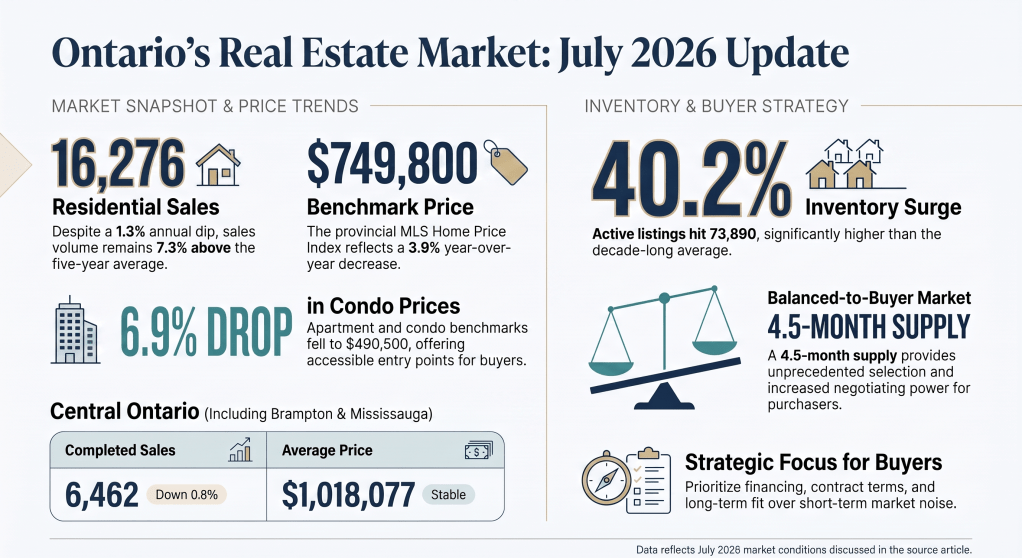

 SP Singh Ahluwalia