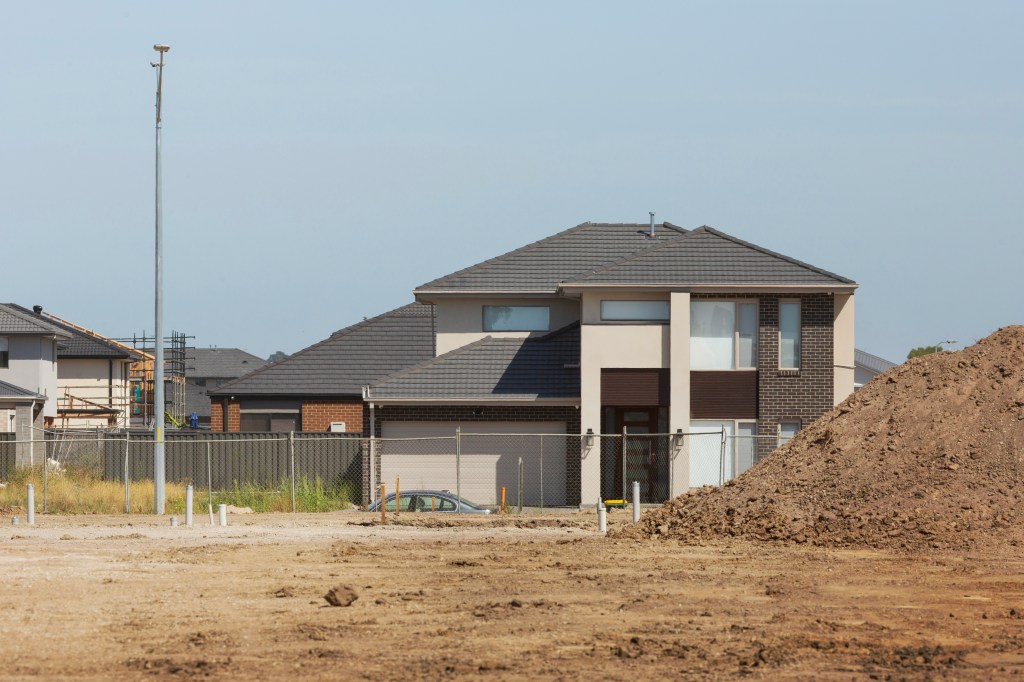
American interest in Canadian real estate surges after Trump election victory

American interest in Canadian real estate surges after Trump election victory

The recent announcement of U.S. President Donald Trump’s return to the white house has triggered a huge surge in American interest in Canadian real estate. Google searches of the term ‘move to Canada’ skyrocketed and data showed a 52% spike in U.S. residents viewing Canadian real estate listings.

A similar surge in google searches was witnessed following the Roe v. Wade decision and the last time Donald Trump was elected President as Canada consistently ranks among the world’s best places to live. This trend highlights the complex interplay that exists between political events and cross-border real estate interest underscoring the appeal of Canada as a potential haven for Americans seeking alternatives during times of political uncertainty.

Ontario, Quebec and British Columbia emerged as the most sought-after provinces, accounting for 70% of regional page views from U.S. visitors. However, it is still to be seen whether this surge in online activity would actually translate into relocations, as the stringent immigration policies and recent reductions in federal immigration targets as well as other barriers to relocation could act as a deterrent.

As time passes, it’s likely that interest in Canadian real estate from American buyers will continue to fluctuate. For Americans considering a move to Canada, it is important to understand the realities of the Canadian housing market and immigration policies. 

As a seasoned real estate professional with over two decades of experience in the industry, I have witnessed first-hand the challenges of Canada’s housing market and regularly stay abreast with the latest policy changes and market trends. With my in-depth understanding of local conditions, I can help you make informed decisions that align with your long-term financial goals. Don’t navigate this complex market alone – reach out to me for personalized advice on how to make the most of your real estate investments in this evolving landscape.


new Statistics Canada data reveals homeownership’s wealth-building power

new Statistics Canada data reveals homeownership’s wealth-building power

A new report released last month by Statistics Canada reinforces the financial advantages of homeownership over renting. The report, titled The Assets, Debts and Net Worth of Canadian Families, 2023 shows how with a median family net worth at an impressive $519,700 and median home values at $500,000, property ownership is a cornerstone of long-term financial security and wealth accumulation across Canada.

The report showed the median net worth being highest in British Columbia at $773,500 followed by Ontario and Alberta at $665,600 and $457,100 respectively, highlighting the substantial wealth accumulation potential in these regions and underscoring the significant role that homeownership plays in building family wealth. 

When we look at these figures alongside the median mortgage on family homes being $200,000, we can deduce that many families have substantial equity in their properties. Additionally, the report also revealed a strong correlation between age and net worth, showing that families where the major income earner was 65 or older had the highest median net worth.

When looked at in light of the recent study commissioned by the Building Industry and Land Development Association (BILD), which revealed that the gap between Ontario’s housing stock and its rapid population growth is the widest it has been since records first began in 1972, a very strong case for buying instead of renting can be made.

Further, the recent analysis of TRREB data which showed a significant rise in power of sale listings as homeowners navigate economic pressures, alongside the government expanding the 30 year amortization period and raising the insured mortgage cap makes this a prime time to buy real estate in Canada. New mortgage insurance rules set to take effect in January 2025 allowing homeowners to add secondary suites and unlock income potential would also be groundbreaking and add to the argument that now is a good time to buy. In this light, we are already seeing a surge in Canadian housing market activity.

Given the figures outlined in the new statistics and the recent surge in Canadian housing market activity, now is surely a great time to buy, given that buying real estate is a proven method of building wealth over time, owning a home can provide stability and control over your living situation and property ownership can be a crucial part of retirement planning.

For those considering the rent vs. buy debate, this data suggests that, if financially feasible, buying a home is still one of the best investments you can make for your future. However, it’s crucial to carefully consider your personal financial situation, long-term goals, and local market conditions before making this significant decision.

As these reports and data shows, the real estate marketplace is always continuously evolving. Thus, the decision to buy or sell real estate should always take into careful consideration all such factors. Therefore, it is crucial to carefully evaluate your financial situation, long-term goals and local market conditions before making a decision. 

As a real estate professional with over 20+ years of experience in the industry, I have first-hand witnessed the housing affordability crisis and worked with both buyers and sellers in this market in my every-day practice. If you need expert guidance for your buying and selling needs, please don’t hesitate to reach out to me.

Bank of Canada dampens hopes for quick housing fix

Bank of Canada dampens hopes for quick housing fix

Bank of Canada’s Senior Deputy Governor, Carolyn Rogers warned today that mortgage structure changes would not help solve the housing affordability crisis.

At a time when policymakers and industry stakeholders are grappling with the complex challenges facing the housing sector, this is a very sobering message. However, I saw this as long coming, as while such modifications may offer some relief to homebuyers, they cannot be seen as a panacea for the broader economic forces at play which includes interest rates, supply constraints and economic uncertainty.

To examine this further, we can look at some stats. The national benchmark home price in Canada was $713,200 in September 2024. This is a marked 3.8% lower than the previous year. Additionally, as per the latest statistics, almost 90% of households in core housing need in 2022 experienced unaffordable housing.

Keeping these statistics in mind, the major thing I can foresee is the implications on investor sentiment, buyer expectations and policy direction. After today’s announcement, prospective homebuyers may feel a need to adjust their expectations, it would definitely dampen enthusiasm among investors who were hoping for quick fixes through mortgage policy changes and policymakers would also feel the need to broaden their focus beyond mortgage rules to tackle this crisis.

As a real estate professional with over two decades of experience, I’ve witnessed the ebbs and flows of the market through various economic cycles. The Bank of Canada’s recent statement serves as a reminder of the complex interplay between policy, economics, and real estate dynamics. Whether you’re looking to buy, sell, or invest, navigating these complexities requires expert guidance and a nuanced understanding of market conditions.

In these uncertain times, having a knowledgeable real estate partner can make all the difference. If you’re looking to make informed decisions about your property investments or seeking to understand how these market dynamics might affect your real estate goals, don’t hesitate to reach out. Together, we can develop strategies that align with your objectives and help you navigate the evolving landscape of Canadian real estate. Don’t navigate these changes alone – reach out to me for personalized advice on how to make the most of your real estate investments in this evolving landscape.

surge in Canadian housing market activity forecasted as interest rates fall

surge in Canadian housing market activity forecasted as interest rates fall

A whirlwind of activity is being predicted for the next quarter as investors attempt to offload properties given the lower interest rates and new mortgage reforms. In light of this, various experts are anticipating a substantial increase in housing market activity for the remainder of the year which could potentially reshape the landscape for buyers, sellers, and investors alike.

It is being witnessed in the industry that many Canadian real estate investors are currently attempting to sell their properties to cut losses, a trend which is still being driven by higher interest rates (despite the rate cuts), changing market conditions, and potentially overextended investments. In contrast, TD economist Rishi Sondhi forecasts a “sizeable bump” in housing market activity for the current quarter, a prediction which suggests that despite some investors looking to exit, there may be renewed interest from other buyers entering the market. New federal mortgage policies set to be implemented in the coming months would also likely add another layer of complexity as they boost Canadian home prices in 2025.

In my view, the interplay between these opposing forces could create interesting opportunities for both buyers and sellers. The combination of investor sell-offs and new policies designed to stimulate the market could lead to a period of adjustment and recalibration in the Canadian real estate sector and would create a fascinating and potentially volatile market environment. For potential buyers, this situation would present unique opportunities to enter the market or upgrade their current properties and the increased inventory from investor sales could provide more options and potentially better pricing in some areas.

However, the anticipated boost in market activity and potential price increases due to new policies suggest that timing without doubt, would be extremely crucial for buyers. For sellers, they may face a more competitive landscape in the short term due to the investor sell-off and the predicted increase in market activity and potential price growth could benefit those who can hold onto their properties for a bit longer.

As a seasoned real estate professional with over 15 years of experience, I’ve witnessed numerous market cycles, but this predicted surge presents a unique set of opportunities and challenges. The combination of lower interest rates and increased buyer activity could lead to a dynamic and competitive market environment in the coming months. With my in-depth understanding of local conditions and these new federal initiatives, I can help you make informed decisions that align with your long-term financial goals. Don’t navigate these changes alone – reach out to me for personalized advice on how to make the most of your real estate investments in this evolving landscape.

exciting new mortgage insurance rules empower homeowners to create secondary suites

exciting new mortgage insurance rules empower homeowners to create secondary suites

In a game-changing move for Canadian homeowners, the federal government unveiled on tuesday, new mortgage insurance rules. Set to take effect on January 15, 2025, the rules will allow homeowners to add secondary suites and unlock income potential.

The newly announced rules include several groundbreaking provisions such as allowing homeowners to refinance insured mortgages specifically for constructing secondary suites, with financing of up to 90% of the home value (including the added value of the secondary suite) and an extended amortization period of up to 30 years. The rules also raise the mortgage insurance home price limit to $2 million for those refinancing to build a secondary suite.

In my opinion, these new mortgage insurance rules are a very innovative approach to addressing the country’s housing challenges. By leveraging existing housing stock and incentivizing homeowners to create additional living spaces, this initiative would help rapidly increase the supply of rental units while also offering homeowners potential financial benefits, resulting in a win-win situation that addresses both housing shortages and affordability concerns.

However, as the implementation date approaches, it will be without doubt crucial for potential participants to understand the nuances of these new rules and for policymakers to monitor their impact on the housing market and overall affordability. In this vein, the success of this initiative hinges largely on municipal cooperation through aligned zoning laws and building codes as well as homeowners’ willingness to undertake renovations and become landlords. Further, in my opinion, the local housing market conditions and rental demand will have a great influence the impact of these changes.

The provincial government’s willingness to accept these changes and work with the municipal governments on this issue will also be a great influence on the success of the new rules. All of this would also require homeowners to carefully weigh the long-term financial implications of refinancing their mortgages to add secondary suites.

However, this is without doubt a truly innovative initiative as it offers multiple benefits for both homeowners and the broader community while also promoting densification. This would occur as I foresee a rapid increase the supply of rental units in high-demand areas through this initiative. Additionally, it could result in better multigenerational living arrangements, allowing families to live closer together while maintaining privacy, thus addressing various housing needs and societal trends simultaneously.

As a seasoned real estate professional with over two decades of experience, I’ve witnessed firsthand the challenges of Canada’s housing market and regularly stay abreast of the latest policy changes. The new rules discuss in this article present exciting opportunities for homeowners looking to add a secondary income or increase their living space and could have the potential to increase property values.

Whether you’re considering leveraging these new regulations to enhance your property or exploring other real estate options, my expertise can guide you through the complexities of today’s market. With my in-depth understanding of local conditions and these new federal initiatives, I can help you make informed decisions that align with your long-term financial goals. Don’t navigate these changes alone – reach out to me for personalized advice on how to make the most of your real estate investments in this evolving landscape.

troubling data shows significant rise in power of sale listings as homeowners navigate economic pressures

troubling data shows significant rise in power of sale listings as homeowners navigate economic pressures

A recent analysis using TRREB data shows a significant rise in power of sale listing in the GTA, with a decline in home prices and many homeowners going underwater on mortgages. This decline is being directly linked to economic pressures.

As per the data, in some parts of the GTA, home sales and prices have seen a decline and are still continuing their descent since the 2022 peak. The result has been a huge devaluation of home prices with many home owners having gone underwater on their mortgages. Further, as debt burdens become overwhelming, many are turning to bankruptcy as a last resort, thereby resulting in their homes being sold by the lenders under power of sale.

In September 2024, the number of power of sale listings reported were 204 as compared to 96 reported during the same period in 2023. Additionally, the average number of power of sale listings have gone up from 4.5 in 2020 to 83 in 2024 and so far the average monthly POS listings stand at 159.

Another recent report by MNP found that despite rate cuts, it’s consumer debt index has dropped 85 points, signaling an increase in consumer debt perception, all-in-all despite the rate cuts by the Bank of Canada. The report also found that for more than half of Canadians, the interest rates may not fall quickly enough to provide the financial relief they need (56%). A similar number of respondents stated that interest rates will need to drop much further before their financial situation significantly improves (57%) and about two-thirds (66%) said they desperately need interest rates to go down.

One of the primary drivers behind this increase in bankruptcy filings is the phenomenon of being “underwater” on mortgages. This term refers to a situation where the amount owed on a mortgage exceeds the current market value of the property. In my daily practice, as housing markets continue to be volatile, I have seen many homeowners and businessowners find themselves trapped in this unenviable position, unable to sell their homes without incurring significant losses.

In a similar vein, the Office of the Superintendent of Bankruptcy reported in August that the proportion of proposals in consumer insolvencies increased to 79% during the previous 12‑month period and consumer insolvency filings accounted for 95.5% of total insolvency filings. During the same period business insolvencies had also increased by 51.6%.

As these reports and data shows, the real estate marketplace is always continuously evolving. Thus, the decision to buy or sell real estate should always take into careful consideration all such factors. Therefore, it is crucial to carefully evaluate your financial situation, long-term goals and local market conditions before making a decision. As a real estate professional with over 20+ years of experience in the industry, I have first-hand witnessed the housing affordability crisis and worked with both buyers and sellers in this market in my every-day practice. If you need expert guidance for your buying and selling needs, please don’t hesitate to reach out to me.

new data reveals Ontario’s housing supply struggling to meet population growth

A new study commissioned by the Building Industry and Land Development Association (BILD) reveals that the gap between Ontario’s housing stock and its rapid population growth is the widest it has been since records began in 1972. The advocacy group also noted that the region is seeing serious decline in development applications, with only 1225 in 2024 compared to 2428 in 2021.

The study found that the root cause of the crisis is a historic undersupply of new housing units, coupled with rapid population growth that has resulted in drastic increase in demand and further exacerbating the impact on affordability and accessibility in the Greater Toronto Area (GTA). It was also noted that the application submissions to municipal planning boards have dropped significantly and that while timelines for building permits have improved since 2020, they still remain exceptionally high. The rise in Municipal Development fees has also not helped the situation.

In 2014, Ontario’s population was growing at a rate of 1.6 people for every home built with around 87,368 housing completions per year. By 2022, this ratio has grown exponentially to 5.5 new residents for each new home being built and only 71,838 new homes built, the highest figure recorded in over 50 years.

The study also finds that for every month in delay of approvals adds $2673 to $5576 per month per unit and the total length of the approval process can add upto $43000 to $90000 per unit per application. This data clearly show that there is a huge disparity between the urgency and the desire to address the housing supply issue. One of the key reasons for this is the excessively high fees associated with delays and regulatory and tax burdens, with Justin Sherwood, Senior Vice President of Communications at BILD stating that fees, costs and charges account for almost a quarter of the cost of building a new home.

In my opinion, the Provincial and Municipal governments must work in collaboration and prioritize reducing bureaucratic red tape associated with building approvals. A major chunk of the fees are the municipal charges which add up to $122,387 to the price of a new condominium and $164,920 for a single family residence. By expediting permit processes and simplifying zoning laws, municipalities can help facilitate quicker construction timelines.

In an effort to address the issue, the Ontario provincial government have proposed simplifying the appeal process for rejected permits and introducing exemptions for certain units from municipal zoning by-laws and building requirements such as mandatory parking. These changes were introduced in Bill 23 and Bill 185. However, I feel that these do not go far enough. Instead of focusing on stimulating demand by giving financial incentives, they should look at addressing supply side constraints which include reducing development charges, fees and taxes that restrict new construction. In this way, these authorities can create an environment that can bring about sustainable growth in the housing sector.

As shown in the data in this report, the real estate marketplace is really competitive and always continuously evolving. Thus, the decision to buy or sell real estate should always take into careful consideration all such factors. In this vein, it is crucial to carefully evaluate your financial situation, long-term goals and local market conditions before making a decision. As a real estate professional with over 20+ years of experience in the industry, I have first-hand witnessed the housing affordability crisis and worked with both buyers and sellers in this market in my every-day practice. If you need expert guidance for your buying and selling needs, please don’t hesitate to reach out to me.

.

government expands 30-year amortization period and raises insured mortgage cap

government expands 30-year amortization period and raises insured mortgage cap

In a landmark decision aimed at easing Canada’s housing crisis, the federal government has announced major changes to mortgage rules. Set to take effect starting on December 15, 2024, the announcement details a plan to expand 30-year amortizations to all first-time homebuyers and to increase the insured mortgage cap to $1.5 million.

A notable component of the new rules is is the increase in the price cap for insured mortgages which is being raised from $1 million to $1.5 million. This adjustment is no doubt critical for homebuyers in expensive housing markets like Vancouver and Toronto, where average home prices as of July 2024 stand at $1,249,890 and $1,074,425 which is in excess of the previous $1 million cap.

The real estate and mortgage industries have greatly appreciated and welcomed these changes. The Canadian Home Builders’ Association CEO Kevin Lee stated that the CHBA is very pleased to see these moves on the mortgage rules.

A much needed announcement, the plan could potentially open doors for thousands of Canadians struggling to enter the housing market. Further, in my opinion, this decision to expand 30-year amortizations and raise the insured mortgage cap represents a bold move to address housing affordability and challenges associated with home ownership. As we move closer to the implementation date, it will be really interesting to see how these reforms shape the Canadian housing market and how it impacts the dream of homeownership for future generations.

Since these changes are set to take effect later this year, it’s important that potential homebuyers understand how this might impact their purchasing power and long-term financial planning. Given the continuously evolving nature of the real estate market, the decision to buy or sell real estate should take into careful consideration several factors and it is crucial to carefully evaluate your financial situation, long-term goals and local market conditions before making a decision.

As a real estate professional with over 20+ years of experience in the industry, I have first-hand witnessed the housing affordability crisis in my every-day practice. In such a market, it is essential to get the right advice. If you need expert guidance for your buying and selling needs, please don’t hesitate to reach out to me.

Canada’s mortgage stress test reflects a policy that has outlived its purpose

Canada’s mortgage stress test was implemented in 2018 in an attempt to safeguard homebuyers against rising interest rates. However, this has become a contentious barrier to homeownership in today’s economic landscape. Many Critics argue that this once-prudent policy is now stifling the housing market and unfairly penalizing prospective buyers, prompting calls for its re-evaluation or outright elimination.

First and foremost, in my opinion the stress test is now redundant given current high interest rates. When it was introduced in 2018, mortgage rates were at historic lows, hovering around 2-3%. The stress test required buyers to qualify at a rate 2% higher than their actual mortgage rate or the Bank of Canada’s 5-year benchmark rate, whichever was higher. This made sense as a safeguard against future rate hikes. However, with today’s mortgage rates already in the range of 5-6%, buyers are effectively being stress tested at 7-8% – an unreasonably high bar which really  goes far beyond protecting against moderate rate increases.

The stress test as it stands now is not only blocking many qualified buyers from entering the housing market or moving up the property ladder but is disproportionately impacting first time home buyers and young families by significantly reducing their borrowing power. This is contributing to  Canada’s housing affordability crisis by keeping people stuck in the rental market when they could otherwise afford to buy. The stress test is essentially acting as a barrier to homeownership for a generation of Canadians.

Additionally, the stress test fails to account for income growth over the life of a mortgage and it doesn’t factor in that most borrowers’ incomes will increase over time, improving their ability to handle higher payments. This oversight means the policy is overly conservative and one sided in its approach towards assessment of long-term affordability. Though the recent changes made to the policy allowing banks to qualify mortgage renewals without the stress test is too little too late.

Thus, this leads me to the reason that the Canadian government and regulators should scrap the stress test, recognizing that economic conditions have changed dramatically since it was first introduced. What was once considered a prudent policy has only become a major hurdle to homeownership and a drag on the housing market. Through this action, policymakers can remove a major barrier that’s keeping many qualified buyers out of the market.

Our country grapples with a housing crisis and high cost of living, it’s time for bold action from all levels of government. Scrapping the outdated mortgage stress test would be a significant step towards making the housing market more dynamic, accessible, and affordable for all Canadians.

Given the continuously evolving nature of the real estate market, the decision to buy or sell real estate should take into careful consideration several factors and it is crucial to carefully evaluate your financial situation, long-term goals and local market conditions before making a decision. As a real estate professional with over 20+ years of experience in the industry, I have first-hand witnessed the housing affordability crisis in my every-day practice. In such a market, it essential to get the right advice. If you need expert guidance for your buying and selling needs, please don’t hesitate to reach out to me.

with condo sales slumping and listings soaring in the GTA, here are some possible policy options to revive the market

with condo sales slumping and listings soaring in the GTA, here are some possible policy options to revive the market

As the Greater Toronto Area (GTA) experiences a significant drop in condo sales and an influx of new listings, policymakers need to explore various innovative strategies to stimulate the market and restore balance.

Tax Incentives for First Time Home Buyers and land transfer tax refunds were introduced on Dec 14 , 2007, with a total maximum refund amount of $2000 when the average home sale price was $393,647. In 2017 the rebate was increased to $4000, however the average home price in Toronto has increased $1,106,617 by end of July, 2024 as per the latest TRREB data. This shows that the amount of the rebate has not kept pace with the price increases and needs to be increased or linked to as a percentage of the purchase price. Further, introducing a temporary reduction in land transfer taxes for condo purchases would also act to provide a stimulus for the condo market.

Another possible method would involve revising the Mortgage Stress Test Rules. The current mortgage stress test, which was implemented to usher in financial stability, has proven to be overly restrictive in the current high-interest rate environment. Potential approaches policymakers should consider include lowering the stress test thresholds for condo purchases, the introduction of exemptions from stress test for buyers with strong credit profiles and significant down payments towards the condo purchases. In my opinion, these can go a long way in restoring balance and helping first time home buyers fulfil their home buying dream.

Additionally, many jurisdictions in Canada had introduced foreign home buyer taxes which had acted to deter and push away temporary residents and foreign investors from buying properties. To counter the negative effects of this approach on the condo market, offering incentives for International Buyers through a targeted approach would be necessary. Such an approach would include temporary exemptions from foreign buyer tax for purchasing a condo and streamlining the process for international students.

Further, to address the oversupply of condos, all levels of government need to incentivize the conversion of unsold units into purpose-built rentals by offering tax credits to developers who convert their unsold units into rental properties. Providing grants and low interest loans for making the necessary modifications to meet rental standards would no doubt encourage builders to carry out purpose built rental conversions.

    Given the continuously evolving nature of the real estate market, the decision to buy or sell real estate should take into careful consideration several factors and it is crucial to carefully evaluate your financial situation, long-term goals and local market conditions before making a decision. As a real estate professional with over 20+ years of experience in the industry, I have first-hand witnessed the housing affordability crisis in my every-day practice. In such a market, it essential to get the right advice. If you need expert guidance for your buying and selling needs, please don’t hesitate to reach out to me.